
Utah News Dispatch
Wanted: Good homes for 15 desert tortoises up for adoption in Utah


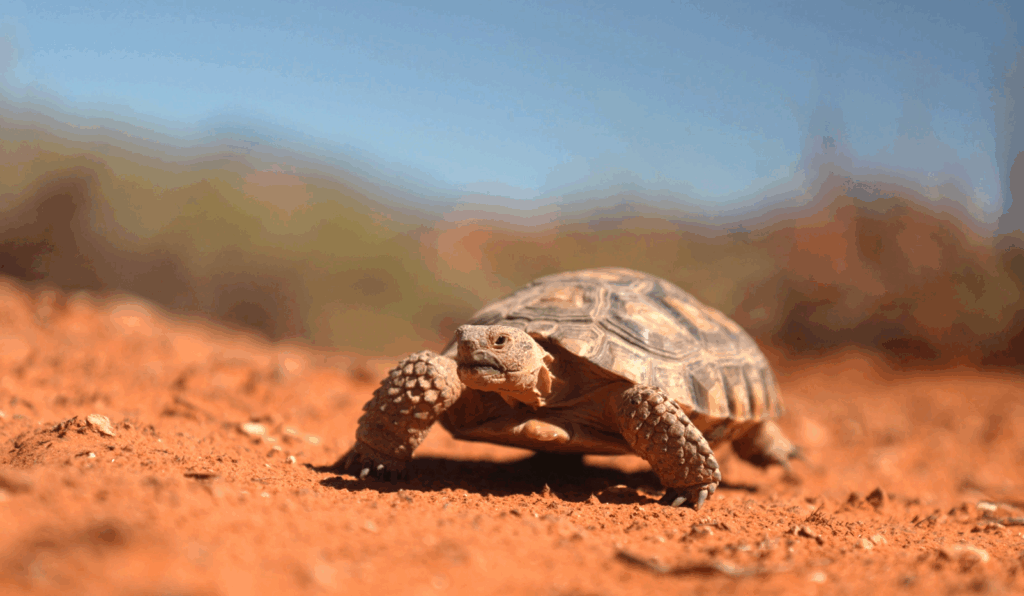


The Utah Division of Wildlife Resources announced it has 15 Mojave desert tortoises available for adoption to eligible Utahns living outside of Washington County. (Photo courtesy of the Utah Division of Wildlife Resources)
Utah wildlife officials announced on Tuesday that they have 15 Mojave desert tortoises available for adoption, and they’re fielding applications from eligible Utahns.
Why would anyone want to adopt a tortoise? Here’s a list of perks the Utah Division of Wildlife Resources put in a pamphlet for the state’s Desert Tortoise Adoption Program:
- Just like people, tortoises have their own personality (but don’t talk back).
- You’ll have the opportunity to care for a threatened species.
- It’s like having a desert dinosaur in your own backyard.
- Tortoises may hibernate for nearly five months out of the year.
- You’ll have a pet that may outlive you (they can live for more than 50 years).
But wait … why is the state involved in finding homes for desert tortoises?
The adoption program began more than two decades ago, in the 1990s, to find homes for captive tortoises that can’t be released back into the wild due to disease concerns, according to Utah wildlife officials.
Mojave desert tortoises are native to areas north and west of the Colorado River in Arizona, Utah, Nevada and California. In 1990, they were listed as threatened under the Endangered Species Act, so now they’re protected under federal and state laws.


Washington County in Southern Utah is the Mojave desert tortoise’s native range in Utah. The majority of the area’s population live in the Red Cliffs Desert Reserve, where state wildlife officials estimate there are more than 2,000 adult tortoises.
But as the county faces continued development pressures and increased popularity for recreation, that’s led to more encounters between humans and tortoises.
In Utah, it’s illegal to collect or remove desert tortoises from the wild — and it’s also illegal to release captive tortoises back into the wild or transport them into Utah without proper certifications.
“Removing tortoises from the wild can harm wild populations by reducing their ability to reproduce and sustain themselves on the landscape,” Alyssa Hoekstra, the Division of Wildlife Resource’s native herpetology coordinator, said in a prepared statement. “Tortoises that are removed from the wild cannot be returned, due to the risk of introducing diseases, especially if they’ve been kept in a home with other animals.”


Hoekstra said wildlife officials are primarily concerned about an upper respiratory tract disease that can spread by the release of sick captive tortoises and is associated with population declines in the wild. “This disease causes symptoms similar to pneumonia,” she said.
The Utah Division of Wildlife Resources said it occasionally comes into possession of desert tortoises for a variety of reasons, including when someone illegally removes one from the wild and it was found in an urban area or outside of its native range.
Previously adopted tortoises can also be surrendered to state officials if its family relocates to an ineligible area. And sometimes the Division of Wildlife Resources confiscates tortoises from people who are illegally keeping them.
For example, if an out-of-state desert tortoise owner moves into Utah, they must apply for the proper certifications in order to bring the captive tortoise with them; otherwise, they must return the tortoise to the approved adoption facility where the tortoise was originally obtained, according to the Division of Wildlife Resources.
Want to adopt a tortoise?
For those interested in adopting one of the 15 available tortoises, state wildlife officials listed the following information:
- To adopt a desert tortoise from the Utah Division of Wildlife Resources, you must live in Utah — but you can’t live in Washington County.
- Be aware that it’s a big commitment. Tortoises can live 60 to 70 years, and you’ll be responsible for all vet bills.
- If you’re serious about adopting, submit an application to tortoise@utah.gov. The handling fee for applications is $10.
- You’ll need to design a safe indoor and outdoor environment for the tortoise by following the Division of Wildlife Resource’s guidelines. Tortoises need large, fenced areas (a minimum of 150 square feet), and they can’t reach an unfenced pond or pool. They also need to be able to hibernate indoors from fall to spring, and they need access to burrows, shade and sunlight. For their diet, they need grasses, forbs and flowers.
- After wildlife officials inspect your outdoor and indoor environment and if you’re approved for adoption, you’ll need to pay a $75 certificate of registration fee.
Wildlife officials encouraged interested Utahns to consider opening their homes to a tortoise in need of a home.
“Captive tortoises make great pets,” Hoekstra said. “They have their own unique personality, they will gladly eat the weeds in your backyard, and they are fairly independent as long as they have shade and food. They also hibernate for roughly five months out of the year, making them a fairly low-maintenance pet.”