Candidates for Public Office
Chris Null Files for Salt Lake County Council D5: Ending Double Taxation and Bringing Government Back to the Front Door
Chris Null’s campaign for Salt Lake County Council is built on a blunt premise: residents are paying twice for overlapping government. In this PoliticIt Podcast episode, Null argues that county expansion alongside growing cities has created “double taxation” without better outcomes. His solution is structural, not rhetorical. Shift services closer to residents, audit the system, and realign government to match how communities actually grow.


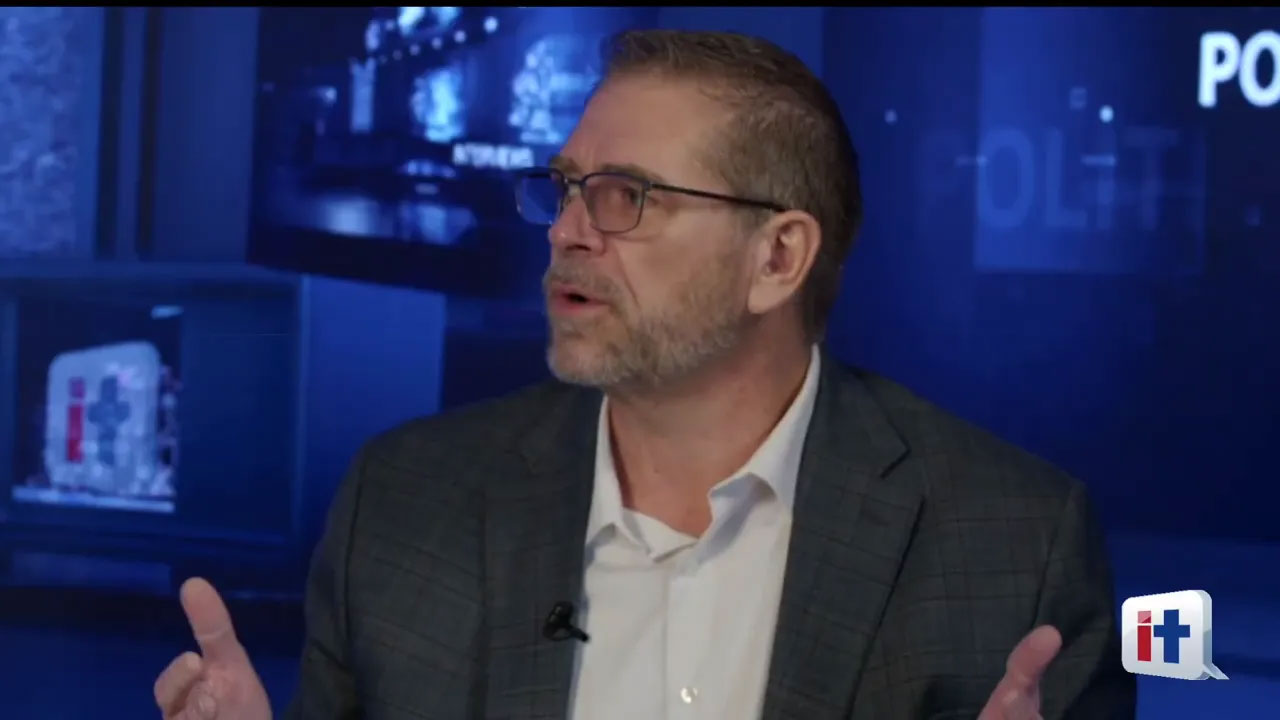

In this episode of the PoliticIt Podcast, host Senator John D. Johnson sits down with Chris Null following his filing for Salt Lake County Council District 5. What begins as a conversation about taxes quickly turns into something deeper: a structural critique of county government itself.
Null’s argument is not just that taxes are too high. It is that residents are paying twice for systems that should not both exist. His solution is equally direct. Move services closer to cities, restore accountability, and refocus county government on what it actually needs to do.
PoliticIt Radio – Closer to the Front Door — Chris Null Anthem
The Moment That Changed the Race
Null did not begin with a county council campaign in mind.
He had been preparing for a different path, a potential Senate run. But as filing approached, something felt off. The timing, the strain on family, the demands of his career. It did not align.
Then came a text from Councilman Sheldon Stewart: he would not be running again.
Null describes that moment as clarity. The same constraints that made a Senate run difficult suddenly disappeared. The role fit his life. The issues fit the office.
More importantly, the calling felt aligned.


The Core Argument: “Double Taxation” Is Structural, Not Accidental
Null’s campaign centers on a simple but pointed claim:
Residents are paying for two layers of government doing overlapping work.
Cities are expanding. They are taking on more responsibility as populations grow. But instead of stepping back, the county is expanding alongside them.
“That’s double expansion,” he argues. “And that leads to double taxation.”
This is not just about tax rates. It is about duplication.
When both city and county scale in the same direction, the result is not better service. It is higher cost with blurred accountability.
Why Distance Creates Cost
Null reframes the issue in operational terms.
County government is too far from the problem.
Cities know where growth is happening. They plan for it. They build infrastructure, staffing, and services ahead of demand.
The county reacts later and applies broad solutions across diverse areas.
By the time action comes, it is often misaligned.
“The closer it is to your front door,” Null says, “the better it works.”
In his view, proximity is not just philosophical. It is economic. Distance creates delay. Delay creates inefficiency. Inefficiency creates cost.

The Tax Fight: Referendum as Step One
Null connects his campaign directly to the current tax debate.
He frames the proposed increase as one of the largest in decades, followed by a scaled-back version that still leaves residents paying more.
His position is straightforward:
Let voters decide.
He supports the referendum effort and treats it as more than a single issue. It is the opening move in a larger restructuring.
“Step one is stopping the increase,” he says. “Step two is fixing the system that created it.”
That includes auditing county services and determining what should be shifted back to cities.
Public Safety as Proof of Concept
Null points to public safety as a real-world example of his thesis.
In Riverton, a shift away from unified county policing toward local control produced measurable improvement.
Crime pressures had increased. Response challenges followed.
Then the structure changed.
Local control returned. Outcomes improved.
For Null, this is not anecdotal. It is evidence.
Structure matters. Governance design directly affects safety.
Background: Technical Systems, Real-World Consequences
Null’s professional background is not in politics. It is in data protection.
For three decades, he has worked in systems where failure is not theoretical. When data systems collapse, banks shut down. Hospitals lose access. Risk becomes immediate.
That experience shapes how he thinks about government.
He focuses on:
System design
Transparency
Failure points
Accountability
“I’m the technical guy,” he says. Not a salesman. A problem-solver.
Why County Council Works
Null is candid about the personal side of public service.
A Senate run would have required stepping away from his career for extended periods. That was not sustainable.
County council is different.
The structure allows him to serve without destabilizing his family or profession.
That matters. Not as a convenience, but as a condition for doing the job well.

Reform Approach: Audit, Refocus, Rebuild
Null’s governing approach follows a clear sequence:
Stop unnecessary expansion
Audit existing systems
Increase transparency
Shift responsibilities to the appropriate level
Align spending with outcomes
He points to his work in party leadership as precedent. When systems lacked transparency, he rebuilt them. When data was inaccessible, he made it visible.
The same model, he argues, applies to county government.
District 5: Growth Without Alignment
District 5 is expanding rapidly, from Bluffdale to Riverton to South Jordan and Daybreak.
The problem, according to Null, is not growth itself.
It is that governance has not kept pace.
Infrastructure, traffic, and services lag behind development.
His conclusion remains consistent:
Planning authority should sit where the growth is happening.
That means cities, not the county.

Party Perspective: Process Still Matters
Null also addresses a broader political concern.
He is a caucus and convention advocate. He believes party processes matter and that transparency strengthens them.
His work as county party chair focused on making delegate decisions visible and understandable.
For him, structure and accountability are not just government issues. They apply to political systems as well.
What This Campaign Really Is
At its core, Null’s campaign is not just about taxes.
It is about alignment.
Align:
Responsibility with authority
Spending with outcomes
Government structure with real-world growth
“Ending double taxation” is the entry point.
The deeper argument is that government has drifted from its proper scope.
Conclusion: Service at the Right Scale
Null closes with a simple framing.
Government should serve, not expand for its own sake.
When it grows in the wrong places, people feel it immediately. In their taxes. In delays. In frustration.
His campaign is a bet that voters in District 5 recognize that feeling.
And are ready to change the structure behind it.

#politicit #utahelections #utpol