Candidates for Public Office
Passing Conservative Reforms: Trevor Lee’s Fight for Utah’s Future
Representative Trevor Lee argues that politics should be judged by results, not headlines. In this conversation, he discusses affordability, housing costs, immigration, family policy, and the realities of passing conservative reforms in Utah. Lee explains why some of the most significant legislative victories require years of persistence, defends his direct communication style, and makes the case that elected officials should remain accessible, accountable, and willing to tackle difficult issues rather than avoiding controversy.


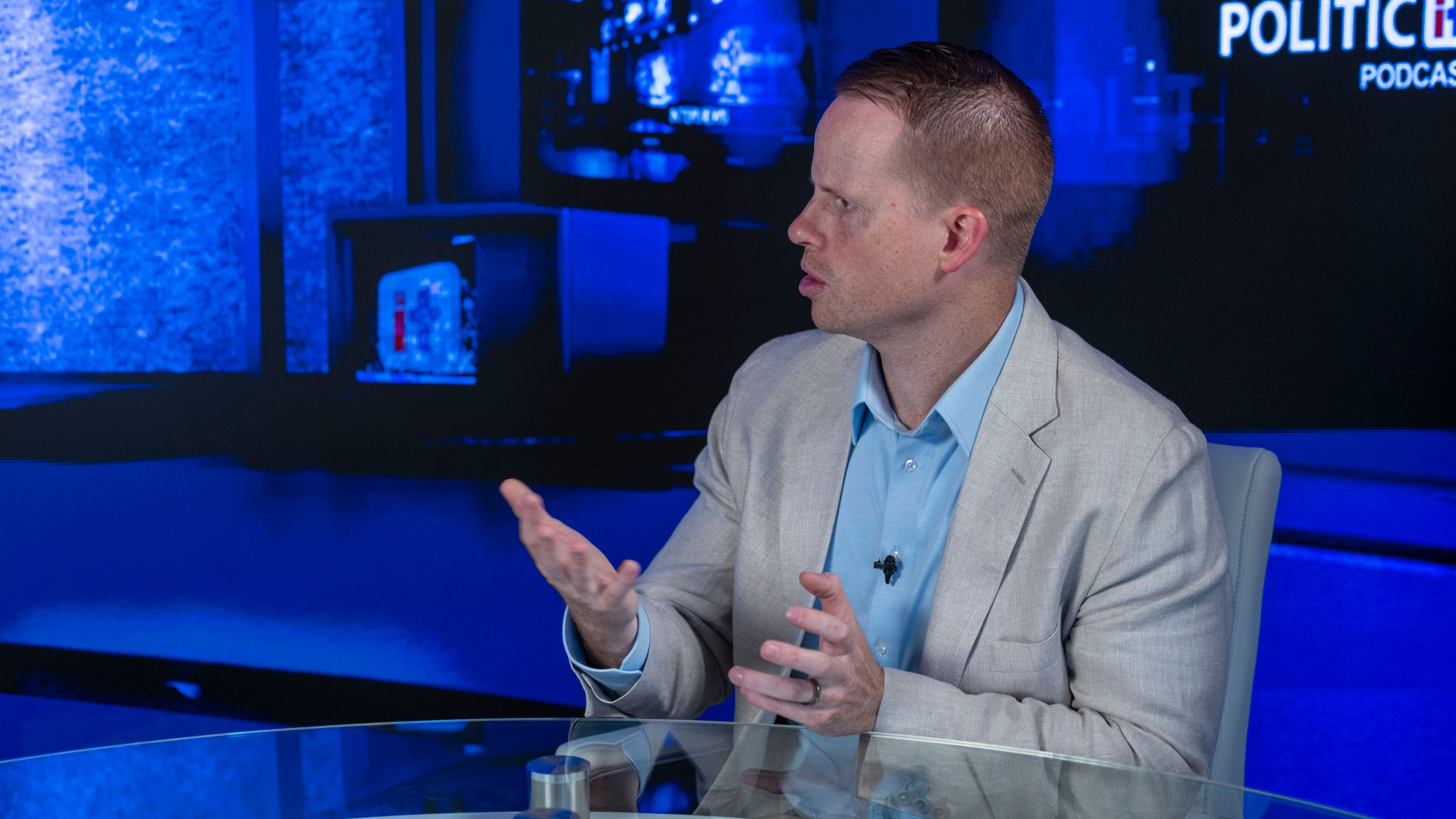

On this episode of the PoliticIt Podcast, host John D. Johnson sits down with Trevor Lee to discuss his reelection campaign, the challenges of serving in the Utah Legislature, and what it takes to pass meaningful legislation. Representative Lee shares insights on advancing conservative policy, navigating difficult political debates, and the issues he believes matter most to Utah families. Tune in for an inside look at the legislative process and the priorities shaping Utah’s future.
PoliticIt Radio – The Fight Ain’t Over
Politics is often reduced to personality, headlines, and carefully edited attacks. That is especially true in a close race. But underneath the noise, the real question is usually much simpler: who is actually willing to do the work, take the heat, and push policies that matter in everyday life?


That is the case Trevor Lee makes about his reelection campaign and his time in the Utah Legislature. His argument is not built around polish. It is built around a record. He frames himself as a conservative who takes on difficult legislation, stays available to constituents, and is willing to engage on issues that many politicians would rather avoid.
For Lee, the race is not supposed to be about who seems nicest in a mailer or who avoids controversy best. It is supposed to be about affordability, family policy, legislative persistence, and whether elected officials actually listen when the people they represent speak up.
The core argument: policy over image
Lee’s message starts with frustration over how campaigns often drift away from substance. Instead of focusing on taxes, housing, cultural concerns, or legislative outcomes, races can become personality contests. In his view, that shift benefits politicians who want to avoid accountability on the issues.
He pushes back on the idea that taking strong positions somehow makes a lawmaker extreme or hostile. His point is that difficult bills are often necessary bills. Pushing reform is not always comfortable, and if a legislator is only interested in universal approval, very little meaningful change gets done.


That theme runs through everything else he says. He wants the conversation centered on:
- Conservative policy results
- Affordability and cost of living
- Responsiveness to constituents
- Willingness to tackle controversial issues
- Long term consequences, not just short term applause
Why hard bills do not always pass quickly
One of the common attacks Lee addresses is the claim that his legislation has not produced results. He rejects that outright, noting that he has already passed more than 20 bills while in office. But he also makes a broader point that is worth understanding if a person wants a realistic view of how legislatures work.
Not every successful piece of legislation passes on the first attempt. In fact, some of the biggest reforms take years.
Lee points to examples like school choice and labor related reforms, both of which needed repeated effort before enough support existed to get them across the finish line. That matters because legislative success is not only measured by a single session vote. Sometimes simply introducing a bill changes the conversation, forces institutions to respond, or lays the groundwork for a later win.

That is an important distinction in state politics. Some lawmakers focus on easy bills that are almost guaranteed to pass. Others spend political capital on bigger fights that may require multiple sessions. Lee clearly sees himself in the second camp.
His case is that if a bill is ambitious, it may stall in one chamber, need to be revised, or simply need time for public opinion and legislative support to catch up. That does not make it pointless. It may just mean the process is still moving.
Affordability is the issue that keeps coming up
If there is one issue Lee says dominates conversations in his district, it is affordability.
People are feeling pressure from rising property taxes, higher daily expenses, and a general sense that Utah has become harder to afford. He casts himself as part of a fiscally conservative bloc in the Legislature that has consistently supported tax cuts, spending restraint, and a more skeptical approach to subsidized development.
His position is straightforward: when government grows too quickly, subsidizes the wrong projects, or allows policy distortions to pile up, ordinary families end up covering the cost.

That concern touches several different areas:
- Property taxes that continue to rise
- Gas prices that hit household budgets directly
- State spending that can increase the tax burden over time
- Development incentives that may benefit connected interests more than taxpayers
Lee argues that conservative budgeting is not abstract ideology. It shows up in monthly expenses, housing payments, and whether a family feels like it can stay in the community where it already lives.
Housing, development, and the pressure on Utah families
Housing affordability is a major part of that discussion. Lee does not present himself as a developer with a direct stake in major housing projects. Instead, he talks about housing as a policy problem shaped by taxes, incentives, migration, and planning decisions.
He is critical of high density development when it is pushed against the preferences of local communities. He also argues that Utah’s broader tax and subsidy structure has made the state more expensive than it should be, even compared with other Republican led states.
His critique is not just that homes cost too much. It is that government decisions have contributed to the pressure.
He specifically ties affordability concerns to:
- Subsidized development arrangements
- Tax structures that shift costs onto residents
- Rapid growth without enough accountability
- Policies that create incentives for new strain on housing supply
From his perspective, solving housing issues is not only about building more units. It is also about removing policy distortions that push costs upward in the first place.
Immigration and resource prioritization
One of Lee’s most repeated themes is illegal immigration and its effect on state resources, public safety, and housing demand. He argues that Utah has had to absorb large numbers of new arrivals during a period of weak border enforcement and that this has real consequences inside the state.
He connects the issue to several concerns at once:
- Demand for housing
- Use of taxpayer funded benefits
- Pressure on public services
- Road safety when people drive without licenses
Lee describes this as a kitchen table issue rather than a distant national debate. In his telling, taxpayers want their money prioritized for citizens and legal residents, not for people who entered the country unlawfully. He also argues that reducing incentives would relieve pressure on housing and public systems much faster than many policymakers admit.
Whether people agree with every part of that framing or not, it is clear this is central to his political identity. He sees immigration enforcement not as a side issue, but as a major affordability and governance issue for Utah.
Why he refuses to avoid social and cultural issues
Lee makes another point that often gets brushed aside in economic debates: culture and economics are connected.
In his view, so called social issues are not distractions from bread and butter politics. They shape family life, public norms, and long term social stability. And those things, in turn, affect economic outcomes.
That is why he insists on talking about family policy, child welfare, and broader cultural shifts even when those topics attract criticism. He argues that lawmakers have a responsibility to examine the downstream effects of major legal and cultural changes, even if the conversation is uncomfortable.
His style on this front is not cautious. He prefers blunt discussion over diplomatic silence. That approach has made him a target, but he sees controversy as proof that the issue is real, not as a sign that it should be ignored.

Social media as a political tool, not just a megaphone
Lee’s social media presence comes up repeatedly because it is one of the main reasons he is well known beyond his district. He knows it draws criticism. He also thinks it is necessary.
His defense of social media is based on transparency. Rather than relying on media summaries, he prefers to speak directly and let people respond in real time. If someone dislikes a post or thinks a claim is unclear, his answer is simple: call and ask.
That response fits with the broader image he wants to project. Social media, for him, is not just about building a following. It is a way to force discussion on topics that would otherwise remain buried under polite avoidance.
He says the purpose is not empty provocation. It is to bring attention to subjects that many officeholders would rather leave untouched.
That direct style is part of why he has built support. It is also part of why opponents and critics have found him easy to target.

The media problem as he sees it
Lee is openly skeptical of mainstream political coverage. He believes many stories about him are incomplete at best and coordinated at worst, with attack narratives amplified by ideological media and then recycled in campaign messaging.
His complaint is less about criticism itself and more about reduction. Complex legislation gets flattened into a hostile headline. Bills with multiple provisions are summarized as if they were one sentence long. Voters then encounter the simplified version before they ever hear the rationale behind the policy.
That is why he emphasizes alternative channels so heavily. Podcasts, direct outreach, phone calls, and social media all serve the same purpose in his strategy: bypass the gatekeepers and explain the policy in full.
He also raises a warning for conservatives more generally. In his view, it is a mistake for the right to amplify the messaging of activist groups on the left simply because both sides happen to oppose the same proposal in the moment. He argues that conservatives should be careful not to hand cultural and political leverage to organizations whose broader agenda they do not share.
What he hears at the doors
Campaigning is where policy gets tested against reality. Lee says the conversations he has while knocking doors are shaped less by internet debates and more by practical concerns.
The issues that come up most often are:
- Cost of living
- Gas prices
- Housing affordability
- Property taxes
- Illegal immigration
- What his controversial bills actually did
He says many people have only heard a headline version of his legislation. Once they hear the details, he believes support often increases. That is a recurring theme in his argument. He does not think most people reject the substance of his agenda. He thinks many have simply heard distorted summaries.
That helps explain why accessibility is such a major part of his message. If the political environment is full of half true descriptions, the remedy in his mind is direct contact.
Accessibility as a political identity
Among all the claims Lee makes about himself, this may be the most repeated: he is accessible.
He says people can call him directly, disagree with him directly, and hear directly why he voted the way he did. He presents that as a major contrast with more insulated officeholders who keep layers of staff between themselves and the public.
That claim serves several functions in his campaign.
- It reinforces the idea that he listens
- It gives him an answer to criticism about tone
- It turns transparency into something practical, not rhetorical
- It supports his argument that he is accountable in a way career politicians are not
For Lee, access is not a side benefit. It is one of the strongest reasons he gives for why someone should trust him even if they occasionally disagree with him.

The contrast with his opponent
Lee draws a sharp contrast between his own style and that of his opponent, whom he portrays as a long time political figure more willing to ignore public opposition. He points to public meetings where large numbers of residents showed up against county proposals, including spending plans and tax increases, yet he says those objections were brushed aside.
That contrast matters because it helps define what kind of representative he wants to be seen as. His case is that he takes constituent concerns collectively and seriously, even when not every single caller agrees with him. By contrast, he accuses his opponent of pressing ahead despite clear resistance from the public.
That is a powerful campaign argument because it shifts the race away from biography and toward trust. Who listens? Who responds? Who changes course when enough people speak up?
A younger legislator with what he calls skin in the game
Lee also emphasizes his age and family life. As one of the youngest legislators in Utah, he argues that the policies under debate are not remote for him. They affect his own household right now.
He uses that to frame his motivations differently from what he calls the special interest model of politics. He says he is not in office to enrich himself or to serve a donor class. He is trying to help preserve a version of Utah where families can still afford to live well, raise children, and pass on the opportunities earlier generations had.
That is not just campaign language for him. It is part of how he justifies his willingness to take on long fights. If the decisions made today shape the state his children inherit, then short term political comfort is not enough.
What his closing case comes down to
When all the side debates are stripped away, Lee’s closing argument is simple.
He says he has a track record. He says he is the conservative in the race. He says he listens. He says he is willing to take on the hard issues instead of dodging them. And he says lowering the cost of living and defending families are not slogans for him. They are the point of serving.
That argument will appeal most to people who want a representative willing to be combative on policy, skeptical of media framing, and persistent enough to keep returning to reforms that may not pass on the first try.
It will not satisfy people who think politics should be softer, less confrontational, or more cautious. But that is also part of the point. Lee is not trying to present himself as a consensus manager. He is presenting himself as a conservative reformer who would rather absorb criticism than abandon the issues he thinks matter most.
In a political climate built on image, that may be the clearest takeaway. His campaign is asking voters to decide whether they want a comfortable politician or a disruptive one. Lee is making no secret about which kind he believes he is.
#politicit #utahelections #utpol