
Utah News Dispatch
Older adults are growing more interested in cannabis edibles, researchers say — here’s why

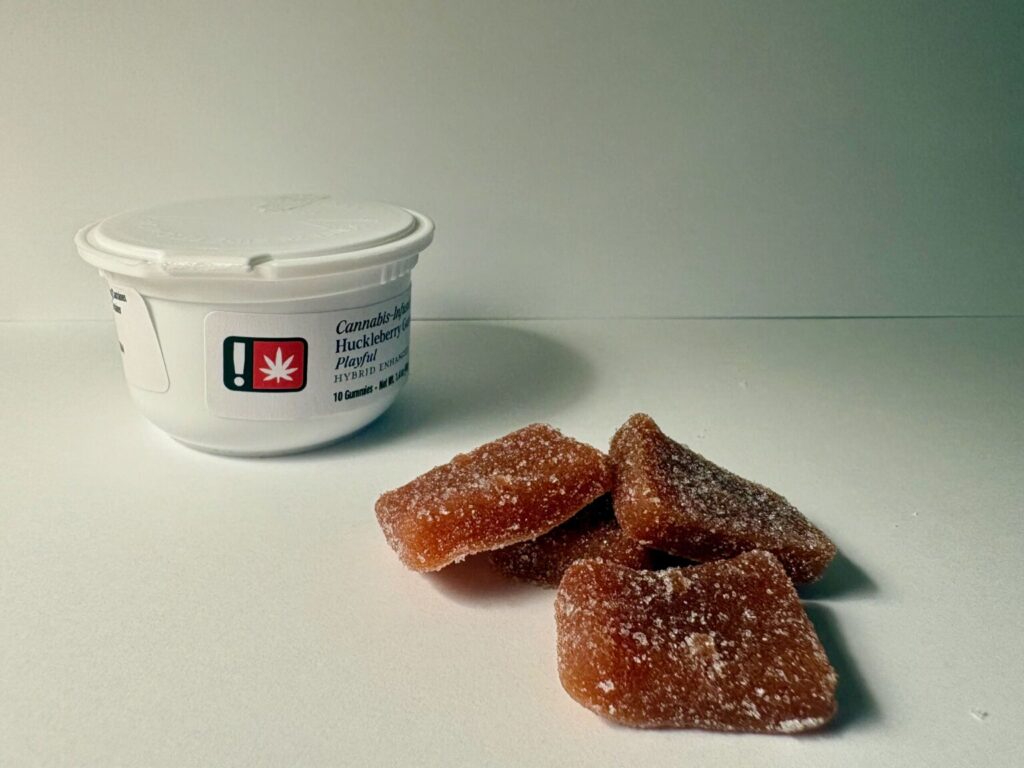

Adults over 60 are the fastest growing demographic in cannabis use, particularly edibles. A study found they aren’t chasing a high. (Photo by Julia Shumway/Oregon Capital Chronicle)
Adults over 60 years old are increasingly using cannabis and at faster rates than any other demographic. Edibles are among the most popular products among them, according to a study from the University of Utah and the University of Colorado Boulder.
Researchers studied cannabis use among people over 60 to answer some questions lingering about the trend and found that older adults aren’t particularly chasing a high, but are seeking relief from age-related ailments.
SUBSCRIBE: GET THE MORNING HEADLINES DELIVERED TO YOUR INBOX.
“Overall, they really wanted better quality of life, reducing their pain, getting better sleep, and being able to enjoy time with family and friends a little bit more,” Rebecca Delaney, an assistant professor of population health sciences at the University of Utah said in a news release.
Many go to cannabis while seeking more effective, or non-pharmaceutical options to manage symptoms and a lot of them make decisions based on word of mouth, not by discussing options with healthcare providers, the study says.
Study participants also reported having exhausted all pharmacological options, as well as other healing methods like therapy and acupuncture, for symptom management. Cannabis was a last resort, according to the study.
“In the absence of medical consultation, they face numerous decisions without clear information about what product can best address their needs,” researchers wrote.
There were perceived benefits of all of the studied products, which included tetrahydrocannabinol, or THC-dominant products, cannabidiol (CBD), or a combination of both.
But, there were also drawbacks. Some people expressed concerns about impairment related to THC items, while others worried about CBD-dominant products being ineffective.
Combination products were the most frequently chosen overall, potentially suggesting that users wish to address multiple symptoms at the same time. But, determining an ideal ratio remains a challenge.
All of the study participants were based in Colorado, where recreational cannabis is legal. The experiences of older adults in Utah, where only medical cannabis is allowed, may be different. However, Delaney suspects that the core motivations — to treat chronic pain, sleep disorders or mental health conditions — may be the same in the Beehive State.
“We would really love to see more of these conversations happening between physicians and patients to make sure that people feel supported and informed when seeking alternative ways to address their pain,” Delaney said.