
Utah News Dispatch
Extreme heat is coming to Utah this week. Doctors urge caution


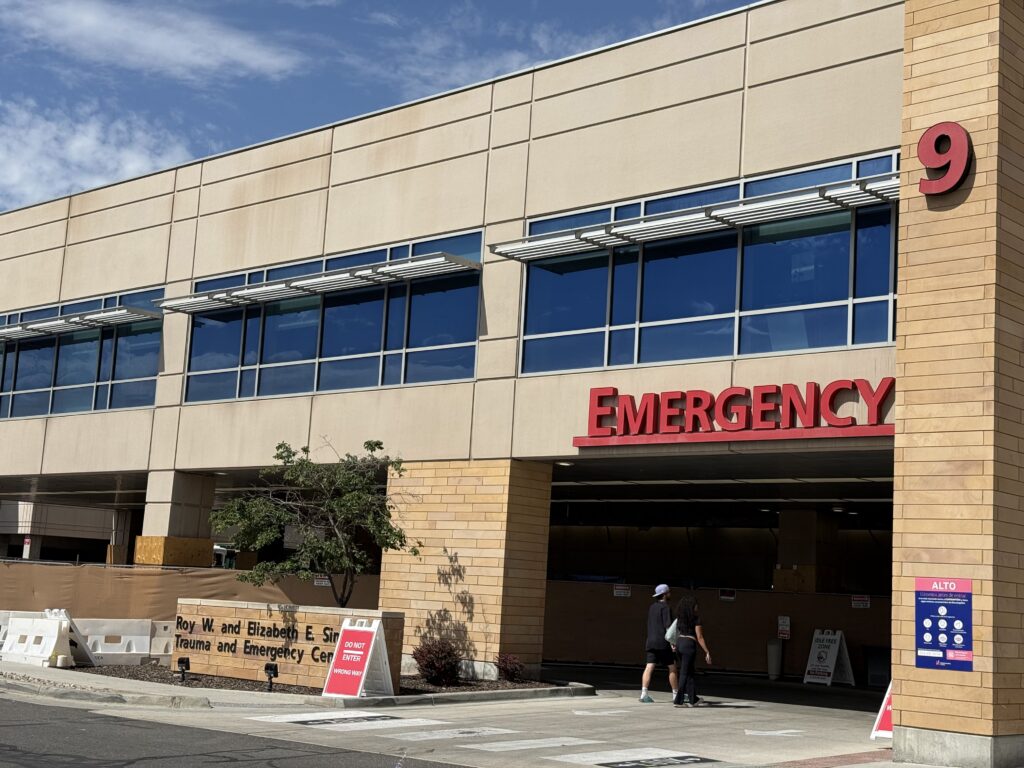


Emergency Department at Intermountain Medical Center is pictured on July 10, 2026. (Alixel Cabrera/Utah News Dispatch)
With extreme heat warnings issued for northern Utah this weekend, physicians are urging Utahns to be aware of signs of heat exhaustion and heat stroke.
Temperatures of up to 107 degrees are possible for the Wasatch Front and Cache Valley on Saturday from noon to 6 a.m. Tuesday, according to the National Weather Service. Other areas in northern and central Utah — including the Wasatch Back, along Castle Country, the Uinta Basin and the San Rafael Swell — may experience highs of 100 degrees.
SUBSCRIBE: GET THE MORNING HEADLINES DELIVERED TO YOUR INBOX.
With those conditions emergency rooms tend to see more patients with heat exhaustion and heat stroke symptoms, according to Angela Allen, an emergency medicine physician at Intermountain Medical Center.
“Extreme heat can be one of the deadliest weather hazards in the United States,” Allen said in a news release. “When temperatures climb into the triple digits it’s important for everyone to take heat warnings seriously and know the signs of heat-related illness.”

Prevention is paramount, she said, as sometimes when heat-related illnesses appear, “it’s a little bit too late,” she said, and it could be life threatening.
“The main difference between heat exhaustion and heat stroke is really altered mental status or confusion. So once you’re noticing somebody with heat exhaustion that’s starting to become confused or altered, we worry about heat stroke, which is much more of a medical emergency,” Allen said in a news conference Friday.
Those most susceptible to heat-related illnesses include people over 65 years old and children less than 3 years old. Also risks are higher for patients that are pregnant, have chronic medical conditions or those who take medications that predispose them to dehydration.
People who need to be outside, such as construction workers, landscapers, athletes and individuals experiencing homelessness can also be especially vulnerable to the illnesses, Allen said.
Patients who are already experiencing heat exhaustion with symptoms like lightheadedness, weakness, fatigue and excessive sweating should get into a cooler environment, drink water and rest to prevent progression to heat stroke, she said.
Salt Lake County has a Cool Zones program that allows people to temporarily cool off in different public buildings. County senior centers are open to everyone over 60 years old and recreation centers are open for free for all county residents up to 18 years old.
For anyone else needing to get out of the heat, including people experiencing homelessness, Catholic Community Service’s Weigand Center in Salt Lake City is open daily.
Physicians typically see heat stroke patients with body temperatures of 104 or greater and can have severe weakness, fatigue, headaches, vomiting, and even seizures, Allen said.
“If you do notice or have any concerns about heat stroke, I would immediately call 911 to get the emergency personnel on the way,” she said. “In the meantime, while waiting for emergency personnel, if you can get these patients or individuals to a cool environment and start cooling them off, it’s ideal.”
To help someone who is overheating, Allen suggested removing unnecessary clothing and cooling them off with water, ice packs and fans. However, because they may be altered or confused, she recommended avoiding giving them fluids, since they can choke.
To prevent getting to that point, Intermountain Health physicians recommend drinking plenty of water throughout the day, even if you do not feel thirsty, and to avoid alcohol and excessive caffeine since they can contribute to dehydration. They also urged Utahns to limit outdoor activities during the hottest part of the day, which is typically between 10 a.m. and 6 p.m.
Never leave children, older adults or pets in a shut-off vehicle, even for a short period. Temperatures inside a car can rise to dangerous levels within minutes, Intermountain Health doctors said.
They also encouraged Utahns to “check on neighbors, relatives and friends, especially those who live alone or may need assistance” during the heat wave.