Candidates for Public Office
Brooks Benson: Protecting Liberty in the Age of Surveillance.


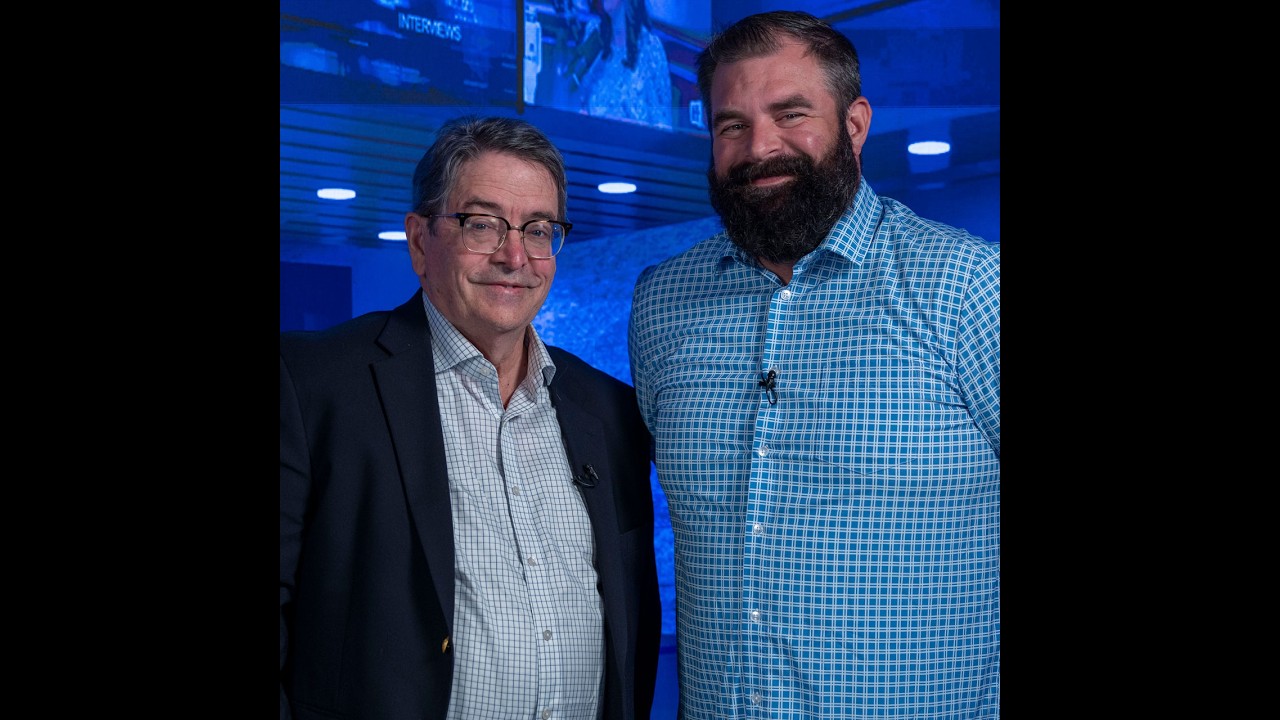

Brooks Benson is the Republican nominee for Utah Senate District 11 after securing 73 percent of the vote in a three-way convention race, winning the nomination outright without a primary.
In this episode of the PoliticIt Podcast, we sit down with Benson to discuss his path to the nomination, how he is preparing to serve in the Utah Legislature, the challenges facing one of Utah’s fastest-growing areas, and an issue he believes lawmakers need to confront now: protecting Fourth Amendment rights in an age of cameras, artificial intelligence, and massive centralized databases.
Benson’s concern is not simply about Flock cameras or any single technology. His larger question is what happens to constitutional privacy protections when government and private companies can collect, store, combine, and search enormous amounts of information about ordinary citizens.
He recognizes the public-safety benefits. Cameras and modern investigative tools can help law enforcement solve crimes, recover stolen property, and locate missing children. But Benson argues that effectiveness alone cannot determine the limits of government power.
Where does legitimate public safety end and mass surveillance begin?
Benson explains why the centralization of data matters. Information about a person may already exist across phones, businesses, private cameras, license plate readers, and other systems. Historically, assembling that information required investigators to go to different sources, make separate requests, and sometimes obtain warrants. That friction created practical limits.
Centralized databases can change that dramatically.
When location records, license plates, video, and other information become instantly searchable, government can potentially reconstruct a detailed history of someone’s movements. Add artificial intelligence, and those systems may eventually identify patterns, build profiles, and make assumptions about behavior.
That raises important questions:
Who can access the data?
How long should it be retained?
When should a warrant be required?
Can information collected for one purpose later be used for another?
Should government be able to create a permanent, searchable record of a citizen’s movements simply because those movements occurred in public?
Benson also warns against assuming technology is always correct. Cameras, automated identification systems, algorithms, and human interpretations can make mistakes. He discusses an example in which law enforcement confidently confronted the wrong person based on video evidence.
His concern is that Utah could gradually move toward a “Minority Report” approach to policing, where data and predictive systems are used to profile people rather than investigate specific evidence of wrongdoing.
Benson is not calling for Utah to abandon useful technology. Instead, he is interested in a technology-neutral privacy framework governing data access, retention, storage, brokering, profiling, and permissible use.
The technology will change. The constitutional principles should endure.
He believes District 11 can become an important example for the rest of Utah because many of the growth pressures appearing there today may eventually confront communities across the state.
Benson also talks about preparing for the Legislature, meeting with experienced lawmakers, building relationships, learning the process, and working with a large incoming group of new senators. He describes himself as someone who goes at a challenge “110 percent” and says he intends to bring that same energy to representing his district.
This episode is ultimately about a question Utah will face more frequently as technology advances:
How do we use powerful new tools to protect the public without quietly surrendering the constitutional protections those tools can make easier to circumvent?
For Brooks Benson, protecting liberty in the digital age means answering that question before technology gets too far ahead of the law.
Topics include:
• Brooks Benson’s 73% convention victory
• Utah Senate District 11
• Flock cameras and license plate readers
• Fourth Amendment protections
• Government surveillance and privacy
• Artificial intelligence and profiling
• Data collection and retention
• Warrants and due process
• Law enforcement and public safety
• Roads, water, energy, and infrastructure
• Managing Utah’s rapid growth
• Preparing to serve in the Utah Senate
Subscribe to PoliticIt for conversations with Utah candidates, elected officials, policymakers, and community leaders about the issues shaping Utah’s future.
#BrooksBenson #UtahPolitics #UtahSenate #PoliticIt #FourthAmendment #Privacy #FlockCameras #Surveillance #AI #Constitution #PublicSafety #UtahLegislature