Utah News Dispatch
To the Utah Office of Energy Development: Stop obstructing my access to clean air


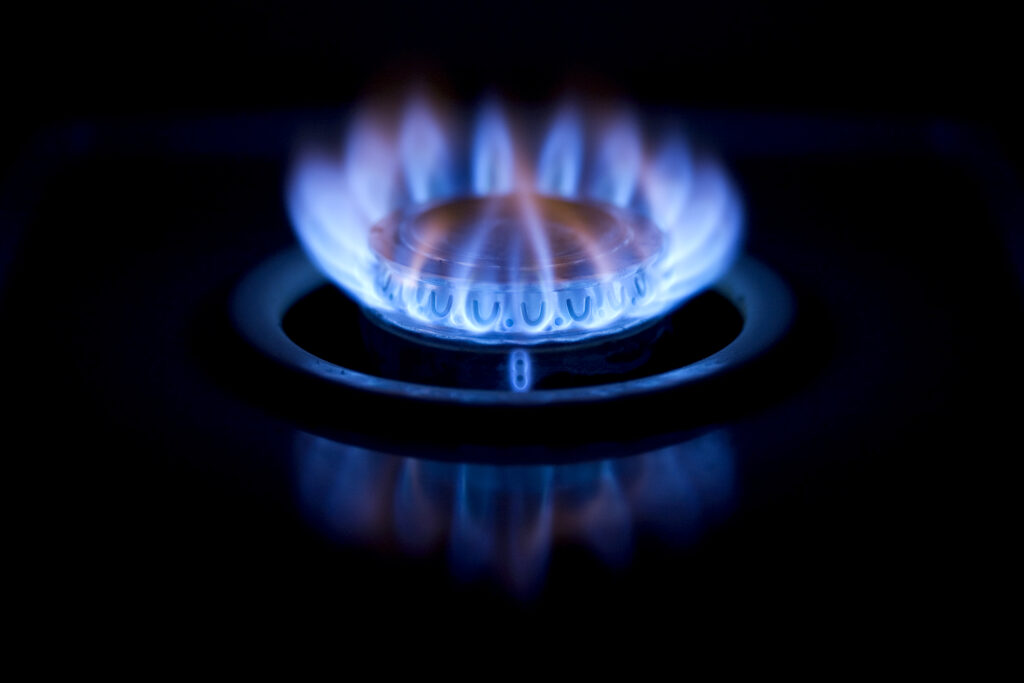


In 2022, the federal government established the Home Energy Rebates program, allocating millions of dollars to states to assist families in reducing their utility bills by transitioning to clean, healthy, and energy-efficient homes. (Photo by Maciej Toporowicz/Getty Images)
Utah was awarded $100 million in funds that could help working-class families lower their utility bills and breathe cleaner air, but the Utah Office of Energy Development is dragging its feet. The rebates could offer Utah families between $2,000 and $4,000 per household, and up to $400,000 for multifamily buildings, to support energy efficiency retrofits in homes.
My name is Autumn Featherstone. I am a 19-year-old student at the University of Utah studying environmental and sustainability studies, and I’m currently an intern for the Sierra Club Utah Chapter. I’ve lived in Utah my whole life. I grew up spending time with my family exploring our beautiful mountains and landscapes. I love it here, and I want to be able to stay and raise a family someday.
But concerns about our air quality make me hesitant.
According to the American Heart Association, between 1,000 and 2,000 Utahns die prematurely every year due to air pollution. This is not the world we have to live in. We know the technologies that can help us reduce pollution in all sectors of our daily lives. We need the Office of Energy Development to do its job and use the $100 million it has received from the federal government to fund clean air solutions.
In 2022, the federal government established the Home Energy Rebates program, allocating millions of dollars to states to assist families in reducing their utility bills by transitioning to clean, healthy, and energy-efficient homes. While 12 other states have begun implementing the funds, our Office of Energy Development continues to stall and delay progress. I’m calling on my state to be a leader and leverage funding that will provide tangible benefits to save Utahns money on energy bills and cut pollution in our homes.
This delay is leaving Utahns vulnerable to rising inflation and toxic air pollution. Home appliances, including gas stoves and fossil-fuel-powered water heaters, release pollutants that harm our lungs. Cleaner, more energy-efficient electric alternatives that the home energy rebates provide significantly decrease energy use and indoor air pollution. The Office of Energy Development estimates that with the home energy rebates, consumers will save up to $1 billion annually in energy costs. That’s a 100-fold benefit multiplier.
Oftentimes, these energy-efficient upgrades are only available to wealthier families who can afford them, while lower-class families are left breathing in pollution just from heating and cooking in their homes. For the Home Energy Rebates, this is not the case. The Department of Energy’s guidance requires states to allocate at least half of program funds to reach low-income households. They are relying on Utah Office of Energy Development to begin implementation.
I currently live at home with my mom and little sister. We use a gas-burning stove and a gas water heater. These appliances release harmful pollutants such as nitrogen oxides, carbon monoxide, fine particulate matter, and carbon dioxide. These pollutants disproportionately impact children, with nitrogen oxides being a known contributor to the development of asthma in children. With the Home Energy Rebates, we could afford to protect our lungs and upgrade to a cleaner electric stove, along with other cleaner electric appliances. These funds could be helping everyone. But only if Utah decides to act on them.
Throughout my internship, I have worked alongside a team of incredible staff and volunteers to try and defend this program, alongside many others, that have been at risk of being slashed by the federal government. After nearly six months of work, sending letters to Congress, delivering public comments, sharing information on social media, and talking with communities, the home energy rebates program funds are secured and are ready to be used.
It’s incredibly disheartening to see Utah choose to sit on these funds that could be helping families. If the Office of Energy Development begins implementing these funds, Utah families like mine can have a cleaner, healthier, and more affordable future.