
Utah News Dispatch
Ute Indian Tribe says a top state lawmaker meddled when it tried to buy back land


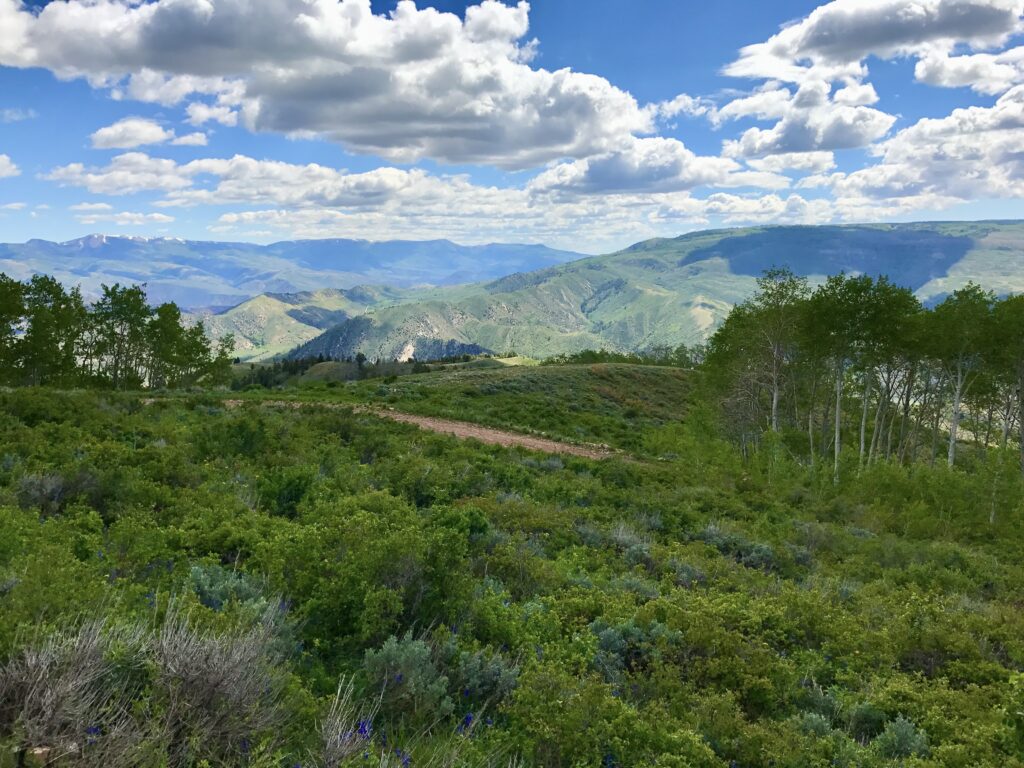


Tabby Mountain, a 28,500-acre block in eastern Utah owned by the Utah School and Institutional Trust Lands Administration. The land has been at the center of a controversy involving hunting interests, school trust principles and the Ute Indian Tribe of the Uintah and Ouray Reservation. (Courtesy of the Utah School and Institutional Trust Lands Administration)
A Native American tribe alleges a top state lawmaker plotted with other officials to block it from buying a swath of mountain wilderness that is part of its ancestral land and popular with hunters.
The Ute Indian Tribe sued the Utah School and Institutional Trust Lands Administration and several state officials in 2023, saying the tribe’s bid of nearly $47 million was the highest “legitimate” bid for the Tabby Mountain lands spanning about 45 square miles in eastern Utah.
The tribe said in court filings it “was rejected only because of racial discrimination.” The trust land agency ultimately decided in 2019 not to sell the land to anyone.
SUBSCRIBE: GET THE MORNING HEADLINES DELIVERED TO YOUR INBOX
An updated lawsuit filed in November names House Speaker Mike Schultz as a defendant, along with more than a dozen other current and former state officials. The suit alleges Schultz worked with fellow state lawmakers and officials at SITLA and the Utah Department of Natural Resources to keep the land in state hands and to pass a new law “in retaliation” against the tribe.
The lawsuit contends Schultz, while House majority leader in 2019, threatened a trust lands employee, telling him, “sell it to the Tribe and see what happens to you.” That employee, Tim Donaldson, went on to become director of the Utah Land Trusts Protection and Advocacy Office.
In 2022, Donaldson filed a complaint alleging the sale process was rigged and was terminated from his job the following day, the lawsuit states.
The 2024 state law allows the Department of Natural Resources preferential treatment in the sale of other large blocks of school trust land topping more than 5,000 acres. Its sponsor, Rep. Casey Snider, R-Paradise, is also a defendant in the suit.
Snider told Utah News Dispatch on Thursday that the law does not apply to Tabby Mountain and was inspired by a prior sale for a tract in his district known as Cinnamon Creek.
He said Schultz had no input in the process of drafting the measure and “the tribe’s assertion is just categorically false.”
Critics say bill prioritizes hunting access over money for schools
Schultz declined to comment on allegations in the ongoing lawsuit.
“However, the narrative being presented is simply inaccurate,” they said in a joint statement on Wednesday. “We firmly believe all Utahns should continue to have access to enjoy Tabby Mountain and all our state has to offer.”
The lawsuit outlines an alleged conspiracy for the Department of Natural Resources to outbid the tribe with a “sham” $50 million offer that the department couldn’t actually pay, then for SITLA to postpone the sale indefinitely, citing issues with an appraisal.
In a statement, a spokesperson for the Utah Department of Natural Resources said “DNR’s bids were made in good faith, and the money pledged in those bids would have been paid to SITLA had the property been transferred to DNR.”
Kim Wells, DNR’s communications director, noted the agency has been dismissed from the suit. She said the planned purchase would have added the land to an existing wildlife management area.
“Preserving public access and maintaining habitat for wildlife have been and continue to be the singular goals of acquiring this property,” Wells added, saying the department has “worked cooperatively with the Tribe for many years.”
Tabby Mountain was originally included in the Uintah and Ouray Reservation, but President Theodore Roosevelt later designated it as national forest land. The Indian Reorganization Act of 1934 restored mineral rights to the tribe, but not ownership of the land underneath.
The lawsuit alleges discrimination amounting to civil rights violations and seeks a judge’s order compelling the sale of the land to the tribe and tossing out the state law. The Ute tribe is also seeking punitive damages to be determined at trial.
The School and Institutional Trust Administration, now the Trust Lands Administration, did not immediately return messages seeking comment. They have previously argued the claim of racial discrimination is unfounded and the agency has broad discretion in managing public trust lands.