
Utah News Dispatch
Utah’s Gunnison prison site to expand after lawmakers shell out $125M

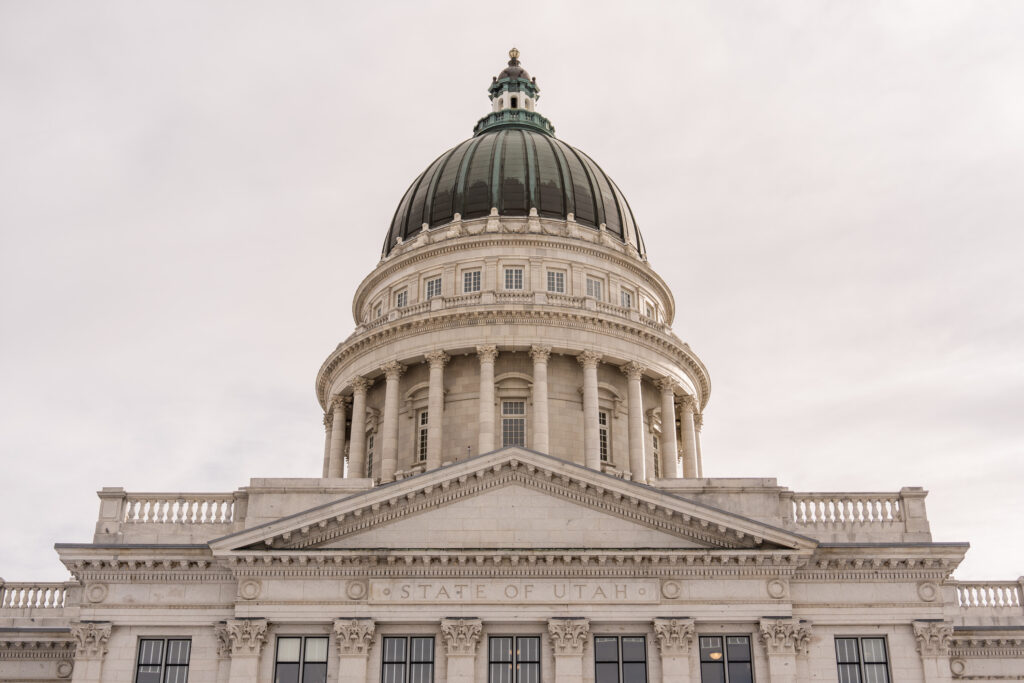

The Utah State Correctional Facility in Salt Lake City is pictured on Wednesday, Aug. 7, 2024. (Photo by Spenser Heaps for Utah News Dispatch)
When the lights came on at Utah’s newest prison site in 2022, it opened at a cost of $1 billion and with fewer beds than the campus it replaced. Less than four years later, the state is planning new construction to hold more prisoners.
The Central Utah Correctional Facility in Gunnison is set to expand to accommodate a growing prison population after Utah lawmakers set aside $125 million for construction at the end of their yearly budget process earlier this month.
The money won’t cover the full cost of the expansion, which has yet to be determined, Utah Department of Corrections spokesperson Richard Piatt said Tuesday. Piatt said corrections officials didn’t ask for the money, but they did keep lawmakers up to speed on prison population trends. They project Utah’s prison system will reach capacity in less than three years, Piatt said.
SUBSCRIBE: GET THE MORNING HEADLINES DELIVERED TO YOUR INBOX
When the state closed its larger Draper prison site and opened the Utah State Correctional Facility in Salt Lake City, it did so with 1,000 fewer beds than before. The idea was that a state initiative focusing on treatment and rehabilitation would reduce the need for prison space.
But the Medicaid expansion that lawmakers had in mind when they came up with the Justice Reinvestment Initiative in 2015 didn’t materialize for several years. Looking back, Utah fell short when it came to investing in the new approach, said longtime defense attorney Mark Moffat.
In the years since, Moffat said the state has taken a different approach on criminal justice issues, consistently boosting penalties and codifying new offenses. He said an uptick in the state’s prison population is a “foreseeable consequence, in my opinion.”
Moffat is among the critics who say the $125 million could be better spent on treatment, rather than expanding prison buildings that will eventually fall into disrepair.
“The cost is going to increase every year at taxpayers’ expense,” said Moffat, with the Utah Defense Lawyers Association.
The lawmaker behind the budget request, Rep. Karianne Lisonbee, said the state has long planned to add more housing to its correctional facilities and that the money will cover a moderate expansion of 768 more beds that could meet anticipated need through 2036.
“We’re at a critical point right now,” Lisonbee, R-Clearfield, told lawmakers on a transportation and infrastructure budget panel in January. She originally requested $130 million and said the idea was born out of a state working group focused on prison and jail capacity, made up of lawmakers and others. The group had considered a potential price tag of more than $200 million, Lisonbee said, but whittled it down.
“We feel very confident that this is the best value for the taxpayer in Utah to make sure that we are keeping them safe, but also that we are not overspending on taxpayer money,” Lisonbee said.
The total combined capacity at Utah’s prison sites is 7,220, but the state keeps some of those spaces empty in case of emergencies and starts to release certain people when its total reaches 7,076, Lisonbee said. It’s currently at roughly 6,500, according to the Utah Department of Corrections.
The plan would add to the Monroe complex on the Gunnison site’s northwest side, which already has infrastructure in place, including for power, Piatt said. He did not have a timeline for the project overseen by the Division of Facilities Construction Management.