Community Leaders
Exploring “American Common Sense?” A Conversation with James Humphreys
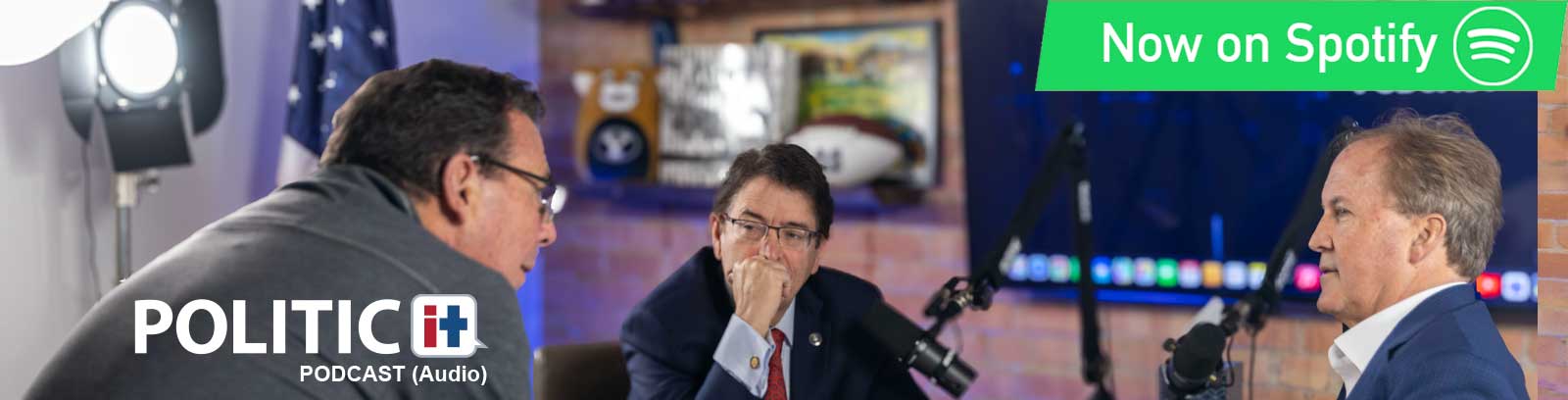
In this episode of PoliticIt Podcast, Senator John Johnson interviews citizen lobbyist James Humphreys, discussing political engagement and civic education. They explore James’s political journey, from advocating for university funding to launching his podcast ‘American Common Sense,’ aimed at promoting informed citizenship and encouraging activism in democracy for a more engaged populace.


In this episode of the PoliticIt Podcast, Senator John Johnson sits down with James Humphreys, a seasoned citizen lobbyist and campaign consultant. Together, they delve into the nuances of politics, civic education, and the launch of James’s new podcast, ‘American Common Sense.’
Welcome and Introduction
Welcome to the journey of political engagement and civic responsibility! Today, we’re diving into the experiences of James Humphreys, a passionate advocate for education and a seasoned political consultant. James’s path in politics began in college, where he discovered his love for civic engagement and the importance of informed citizenship.
PoilticIt Radio – Common Sense (Somebody’s Calling)
James’s Background in Politics
James Humphreys’s political journey began as a junior at Weber State University. Elected as the arts and humanities senator for the student council, he took on the challenge of representing student interests with vigor. His unique background as a member of Sigma Alpha Epsilon, a fraternity often associated with partying, was an unexpected twist for someone who focused on serious governance and student welfare.
The Early Political Experience
During his time at Weber State, James was determined to make a difference beyond just organizing social events. He believed that student funds should be allocated thoughtfully, and he was ready to tackle significant challenges. The Browning Center, a vital facility for the arts, was on the brink of being condemned due to safety concerns. This situation sparked his resolve to advocate for necessary funding and renovations.
Interning at the State Legislature
James’s pivotal moment came when he was offered an internship at the state legislature. With little interest from other students, he found himself interning for two state senators, gaining invaluable experience. This position allowed him to witness the inner workings of government firsthand, and he quickly became immersed in the legislative process.
The Browning Center Project
As the arts and humanities senator, James recognized the urgency of addressing the Browning Center’s structural issues. He mobilized students to visualize the potential renovations by marking out the necessary improvements on campus. This grassroots effort illustrated to legislators the importance of preserving the center, which was crucial for the university’s arts programs.

Securing Funding for Weber State
James’s strategic thinking led him to propose a comprehensive plan to secure $21 million for the Browning Center’s renovation. He understood that the funding process often favored multiple small projects over one significant investment, which could lead to wasted time and resources. His proposal caught the attention of Governor Levit, who appreciated James’s insight into the funding process and the potential impact on Weber State.
Through a combination of persistence and collaboration, James successfully navigated the political landscape, advocating for the funding alongside key legislators. His efforts resulted in the necessary funds being allocated to the Browning Center, ensuring its continued use for future students. This achievement not only solidified his interest in politics but also demonstrated the power of youth advocacy.
The Role of a Citizen Lobbyist
As a citizen lobbyist, I became an advocate for the public interest without being tied to a specific political party or large organization. This unique position allowed me to focus on issues that mattered, like funding for education and infrastructure. My experiences taught me that the voice of an engaged citizen can resonate powerfully within the halls of government.
Citizen lobbyists are often the unsung heroes of political advocacy. They bring a grassroots perspective, ensuring that the concerns of everyday people are voiced. In my case, my background in student government provided a solid foundation for understanding how to navigate the political landscape effectively.

Connecting with Legislators
Building relationships with legislators is key. I learned early on that personal connections can make a significant difference. When I approached legislators with well-researched proposals, they were more inclined to listen. This rapport is crucial, especially when advocating for funding or policy changes.
Advocacy in Action
My role often involved organizing rallies, meetings, and events to bring attention to important issues. I coordinated efforts with various community groups to amplify our message. The goal was to create a unified front, demonstrating that we had widespread support for our initiatives.
Campaigning for Governor Levit
Working on Governor Levit’s re-election campaign was a pivotal moment in my career. I had built a relationship with him during my time in college, which made my involvement in his campaign feel natural. My experience as a citizen lobbyist complemented my role in the campaign, allowing me to apply my advocacy skills in a new context.
During this campaign, I focused on voter outreach and education. We needed to ensure that constituents understood the governor’s accomplishments and vision for the future. By organizing town hall meetings and community forums, we fostered direct communication between the governor and the people.

Strategic Planning
Strategic planning was essential for our campaign’s success. We analyzed demographic data to identify key voting blocs and tailored our messaging to resonate with them. This data-driven approach allowed us to allocate resources effectively and maximize our outreach efforts.
Working with Mia Love’s Campaign
One of my most rewarding experiences was working with Mia Love during her first congressional campaign. As a small-town mayor, she had a unique perspective that needed to be communicated effectively to a broader audience. My role was to help her navigate complex policy issues and develop clear, concise positions.
Educating candidates like Mia is crucial. Many come from local governance backgrounds and may not be familiar with federal policies. I took it upon myself to provide her with the information she needed to articulate her stance on key issues, from healthcare to education.
Building a Cohesive Team
Working as part of Mia’s campaign team required collaboration and cohesion. We held regular strategy sessions to ensure everyone was on the same page. This teamwork fostered an environment where ideas could flow freely, leading to innovative approaches in our campaign strategy.
Challenges as a Gay Conservative
Being an openly gay man in a predominantly conservative environment presents unique challenges. There are moments when my identity feels at odds with my political beliefs. However, I’ve learned that embracing both aspects of my identity empowers me to advocate for change from within.
Discussions around LGBTQ+ rights can be contentious, especially in conservative circles. My experiences taught me the importance of finding common ground and engaging in meaningful conversations. I strive to educate others on the intersection of conservatism and LGBTQ+ rights, demonstrating that these identities can coexist harmoniously.
Breaking Stereotypes
One of my goals has been to break stereotypes surrounding LGBTQ+ individuals in conservative spaces. By being visible and vocal, I aim to show that conservatives can be inclusive and supportive. It’s about fostering understanding and acceptance, not just within the party but across the broader community.

The Influence Behind the Scenes
Much of the real work in politics happens behind the scenes. As a campaign consultant, I learned that the most effective strategies often go unnoticed until they yield results. My role involved crafting messaging, coordinating logistics, and ensuring that our campaign’s narrative aligned with our goals.
Influencing policies and decisions often means working collaboratively with various stakeholders. I developed relationships with community leaders, activists, and other lobbyists, all of whom contributed to a shared vision for change. The power of collaboration cannot be overstated.
Adapting to Challenges
Political landscapes can shift rapidly, requiring adaptability and quick thinking. I learned to anticipate challenges and pivot strategies accordingly. Whether it was a sudden change in public opinion or a new legislative proposal, being prepared made all the difference.
Launching the ‘American Common Sense’ Podcast
Launching the ‘American Common Sense’ podcast has been an exciting venture for me. The aim is to create a platform for civil discourse, focusing on civic education and engagement. I believe that informed citizens are the backbone of a healthy democracy.
The podcast allows me to delve into important topics that often get overlooked in mainstream media. By inviting guests from various backgrounds, I hope to foster discussions that challenge conventional thinking and encourage listeners to engage critically with the political landscape.
Creating Engaging Content
Content creation is essential for reaching a wider audience. I strive to produce episodes that are not only informative but also engaging. By using storytelling and real-life examples, I aim to connect with listeners on a personal level, making complex issues more relatable.
Encouraging Civic Engagement
Ultimately, the goal of the podcast is to inspire listeners to take an active role in their communities. I want to empower individuals to advocate for the issues they care about. Civic engagement starts at the grassroots level, and I believe that everyone has the potential to make a difference.
The Importance of Civic Education
Civic education is essential for fostering an informed and engaged citizenry. It lays the foundation for understanding the mechanisms of government and the rights and responsibilities of citizens. Without a solid grasp of these concepts, individuals may struggle to navigate the complexities of political discourse and advocacy.
Historically, civic education has been a cornerstone of democracy. As Thomas Jefferson famously noted, an educated populace is crucial for the survival of a free government. This principle remains as relevant today as it was in the founding of our nation.

Why Civic Education Matters
- Empowerment: Knowledge of civic processes empowers individuals to participate actively in their communities.
- Accountability: An informed citizenry holds elected officials accountable for their actions.
- Informed Voting: Understanding governmental functions leads to more informed voting decisions, enhancing the democratic process.
Addressing Educational Gaps
Despite the clear importance of civic education, many schools fail to prioritize it within their curricula. This oversight leads to a generation of citizens who may be disengaged or ill-equipped to participate in civic life. The lack of comprehensive civic education can create significant gaps in knowledge and understanding.
To address these gaps, we must advocate for policies that integrate civic education into the core curriculum. This includes not only teaching students about their rights and responsibilities but also engaging them in practical exercises that promote active participation.
Strategies for Improvement
- Curriculum Development: Schools should adopt comprehensive civic education programs that cover the Constitution, government structure, and civic responsibilities.
- Community Engagement: Partnering with local organizations can provide students with hands-on experiences in civic engagement, such as volunteering or attending town hall meetings.
- Teacher Training: Investing in professional development for educators ensures that they are equipped to teach civic education effectively.
Goals for “American Common Sense?”
The ‘American Common Sense’ podcast aims to bridge the gap in civic education. By providing accessible content that encourages dialogue, we hope to inspire listeners to engage with the political process. Our goal is to create a community of informed citizens who can discuss complex issues with civility and understanding.
Through interviews with experts, community leaders, and everyday citizens, we will explore a wide range of topics. Each episode will focus on different aspects of civic engagement, from local issues to national debates.
Podcast Objectives
- Fostering Dialogue: Encourage open discussions about civic issues, promoting diverse perspectives.
Empowering Listeners: Provide actionable steps for civic engagement, from attending meetings to contacting representatives.
Building Community: Create a network of listeners who support each other in their civic endeavors.
Closing Thoughts and Future Plans
As we look to the future, the importance of civic education cannot be overstated. It is our responsibility to ensure that every citizen has the tools necessary to participate in democracy effectively. Through the ‘American Common Sense’ podcast, we strive to equip individuals with knowledge and inspire them to take action.
In the coming months, we will expand our reach, inviting more guests and tackling pressing issues facing our communities. We believe that by fostering a culture of civic engagement, we can create a brighter future for all.
Join us on this journey to promote civic education and empowerment. Together, we can make a difference and ensure that the principles of democracy are upheld for generations to come.