Candidates for Public Office
Robert Axson: Roots in the Red – Leadership, Legacy & the Future of the Utah GOP
Robert Axson, chair of the Utah Republican Party and former staffer to Senator Mike Lee, is leading with principle in an era of political flux. From defending the caucus system to uniting a diverse GOP base, Axson blends strategic experience with grassroots conviction. As he seeks re-election, his vision centers on conservative values, institutional integrity, and the long-term success of Utah’s Republican movement.

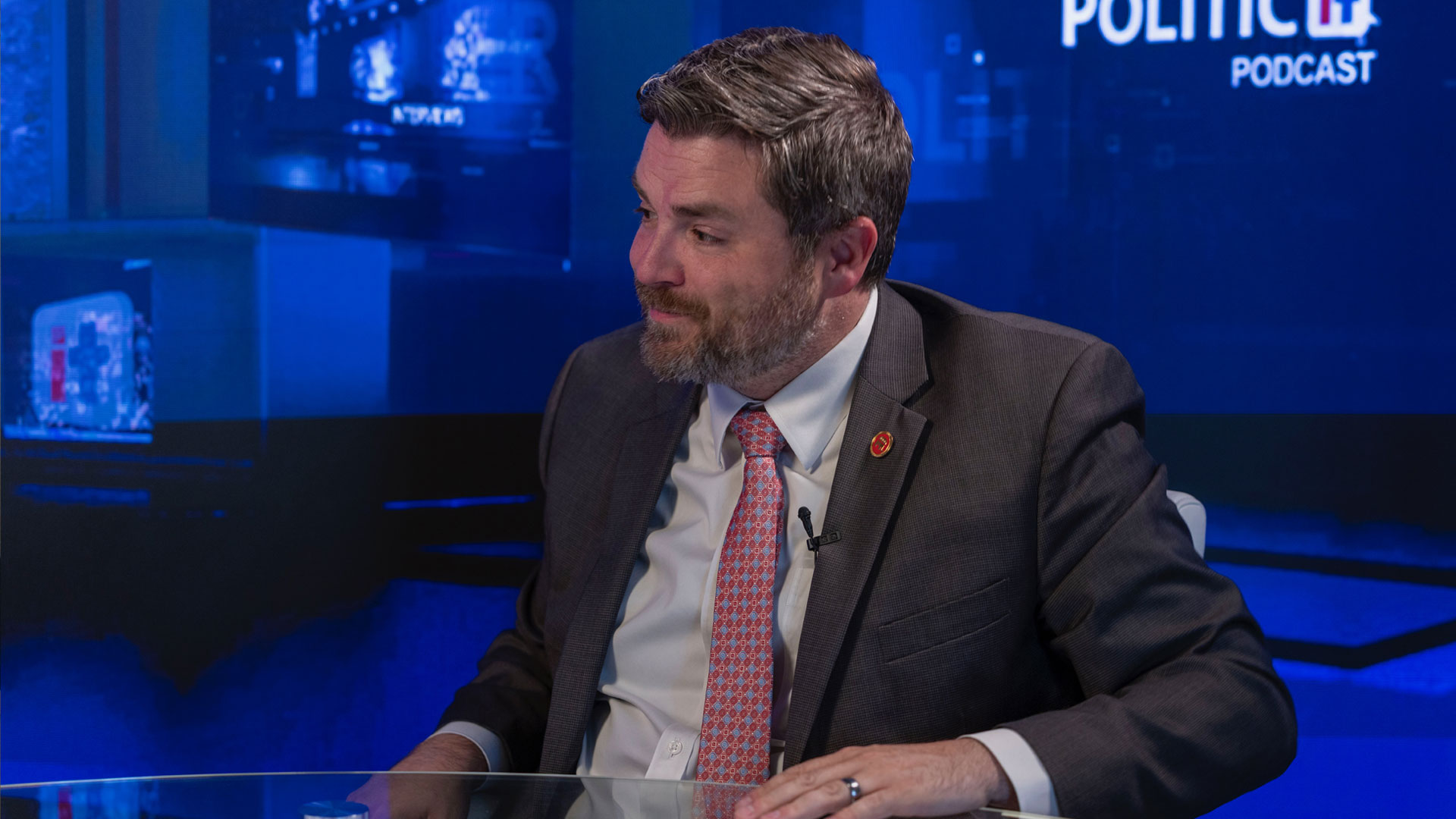
In the evolving political landscape of Utah, leadership within the Republican Party plays a critical role in shaping the state’s future. Robert Axson, the current Chairman of the Utah Republican Party and a candidate for re-election, embodies a deep commitment to the principles and success of the GOP in Utah. His journey from a local upbringing to working alongside Senator Mike Lee in Washington, D.C., and now leading the state party, offers valuable insights into the challenges and opportunities facing Utah Republicans today.

This article delves into Robert Axson’s background, his political philosophy, his approach to party leadership, and his vision for the future of the Utah GOP. Drawing from his extensive experience in campaigns, legislative work, and party management, Axson lays out a thoughtful strategy for maintaining Utah’s conservative values while adapting to a changing political environment.
PoliticIt Radio – Axson Road
From Utah Roots to Political Leadership
Robert Axson’s story begins with his roots firmly planted in Utah. Born and raised here, Axson’s early years were marked by a unique blend of local and international experiences. After his parents divorced when he was young, he spent most summers in Canada with his father, while attending school in Salt Lake City and Utah counties during the academic year.
His educational journey took him from Ensign Elementary in the Avenues to Alpine and ultimately to Lone Peak High School, where he graduated. He then attended the University of Utah, where his academic pursuits were shaped by a mission that took him to South Korea for two years. This mission was a formative experience, exposing him to new cultures and perspectives while deepening his commitment to service.
Returning to the University of Utah after his mission, Axson resumed his studies in political science and international studies, focusing on conflict resolution. His time abroad, coupled with the political climate back home—marked by the U.S. invasion of Iraq and a surge in anti-Republican sentiment on campus—shaped his approach to political discourse. He learned the importance of standing firm in his beliefs while engaging respectfully with opposing viewpoints.
Axson’s academic focus on conflict resolution extends beyond international and national politics. He applies these principles to everyday life, emphasizing the need for civility and dialogue within communities, neighborhoods, and families. This approach underpins his leadership style within the Utah GOP, where fostering unity is paramount.
Early Political Involvement and Campaign Experience
Finishing his education during the economic downturn of 2008, Axson balanced work, school, and family life, including the early stages of marriage. His first foray into political campaigning was as a campaign manager for Derek Brown, a candidate for the Utah State Legislature. This opportunity was significant not only for Axson’s career but also for building long-lasting relationships within the party.

Brown’s connection also introduced Axson to Mike Lee, then a Senate candidate. Axson quickly recognized Lee’s potential and joined his campaign, which culminated in a notable victory. Lee’s campaign was remarkable because, despite not leading in the initial party convention, he managed to secure the Republican nomination and win the Senate seat. This grassroots-driven success story highlighted the power of the delegate process and the importance of perseverance and focused campaigning.
After Lee’s election, Axson joined his staff, spending nearly three years in Washington, D.C., before returning to Utah to manage Lee’s state operations. His work touched on a variety of legislative issues, including land use, states’ rights, pro-life initiatives, healthcare, and Second Amendment advocacy. This broad portfolio provided Axson with a deep understanding of policy and constituent engagement.
Ascending Within the Utah GOP
Axson’s growing involvement in the party extended to the state central committee, where he served as constitution and bylaws chair before filling a vacancy as vice-chair. During these roles, he focused on strengthening the party’s financial standing, reducing debt, and improving organizational effectiveness.

His leadership qualities and experience culminated in his election as state party chair two years ago. From this position, Axson has worked tirelessly to bridge divides within the party, promote the caucus convention system, and prepare the GOP to meet future political challenges.
Championing the Caucus Convention System
One of Axson’s key priorities has been to reinforce the relevance and integrity of the caucus convention system in Utah. He is a passionate advocate for this grassroots-driven process, which serves as the mechanism for selecting candidates who embody the party’s principles.
However, the system has faced challenges, especially after the passage of SB 54 in 2014, a law that introduced signature gathering as an alternative path to the primary ballot, somewhat diluting the influence of delegates. Axson refers to this as the “Bob Bennett rule,” pointing out how it arose as a reaction to an incumbent senator losing renomination through the convention system.
Despite this tension, Axson believes the delegate process remains vital for promoting substantive dialogue and vetting candidates thoroughly. It counterbalances the advantages of incumbency, name recognition, and campaign financing, allowing fresh voices with solid principles to rise within the party.
During his tenure as chair, Axson made a historic move to actively support convention winners, a first in the ten years following SB 54. This included targeted mailings, phone calls, volunteer mobilization, and financial support totaling over $200,000 to bolster candidates who earned delegate backing.

This commitment to fairness was evident in the 2022 attorney general race, where Axson publicly supported candidates Rachel Terry and Frank Mylar, who secured delegate support, over a longtime friend who did not. This principled stance underscored his dedication to party rules over personal relationships.
The Role and Responsibilities of the Party Chair
Axson emphasizes that the party chair’s primary role is to facilitate and elevate all elements of the Republican Party—from grassroots activists and donors to candidates and elected officials—while maintaining fairness and neutrality, especially during nomination processes.
State law and party rules impose certain duties on the chair, such as certifying convention results. For example, after the 2022 state convention, Axson certified the nominees who received over 60% delegate support as sole party nominees, including Phil Lyman for governor and Trent Staggs for Senate.
Importantly, the party must abide by state election laws, including SB 54, which requires recognizing primary results regardless of how candidates qualify. Axson stresses that the party cannot control ballot printing or primary certification, reinforcing the chair’s role within legal and procedural boundaries.
He highlights the Utah Republican Party constitution, which sets out three core purposes: nominating and electing Republican candidates, promoting party principles, and interfacing with the state to comply with election laws. The party’s commitment to law and order means adhering to these legal frameworks is essential.
Supporting Republican Success Beyond Utah
Axson’s leadership extends beyond Utah’s borders. Recognizing demographic and political shifts in neighboring states like Colorado, New Mexico, Arizona, and Nevada—where Republican dominance has waned—he advocates for proactive engagement to protect Utah’s conservative future.
In the 2024 election cycle, the Utah GOP deployed nearly 1,000 volunteers to battleground states, particularly Arizona and Nevada, to support Republican candidates including former President Donald Trump. Axson personally participated in these efforts, bringing his two oldest sons along for a meaningful door-knocking campaign.
This outreach was strategically designed not to detract from Utah’s own races but to leverage external donor interest and Utah’s strong volunteer base. The effort was part of a broader strategy to ensure a Republican retakes the White House and maintains control of Congress.
Building Unity and Focus Within the Party
Axson stresses the importance of unity within the Utah Republican Party. He acknowledges the diversity of views and styles but insists that the party’s platform is the unifying foundation. He encourages members to focus on the party platform, which he describes as a concise document that defines Republican identity in Utah.
He critiques the tendency to fixate on fringe issues that divide rather than unify, and warns against purity tests that alienate members and weaken the party. Instead, Axson advocates for a missionary spirit—inviting people to understand and embrace the party’s core principles through respectful engagement and connection.

Utah’s unique social fabric, characterized by strong family ties, community engagement, and faith-based values, provides fertile ground for this approach. Axson believes that embracing these strengths while promoting respectful political discourse will help the party remain vibrant and effective.
Looking Ahead: A Vision for the Future
As he campaigns for re-election as party chair, Axson calls on delegates to consider what they want the Utah GOP to achieve in the coming decades. He urges voters to evaluate candidates based on their ability to serve the party’s long-term interests, uphold the platform, and strengthen the caucus convention system.
Axson’s vision is clear: a party that is principled, inclusive, and united, capable of navigating political challenges while preserving Utah’s conservative heritage. He emphasizes the need for leadership that prioritizes the party’s success over personal ambition and remains committed to fostering collaboration among diverse members.
Conclusion
Robert Axson’s leadership of the Utah Republican Party reflects a deep commitment to principle, fairness, and strategic growth. His journey from a politically engaged student to a seasoned campaign manager and party chairman illustrates the power of dedication and thoughtful leadership.
By championing the caucus convention system, supporting grassroots candidates, engaging beyond state lines, and promoting unity within the party, Axson offers a roadmap for sustaining Utah’s conservative values amid changing political dynamics. His vision challenges party members to look beyond immediate conflicts and focus on building a strong, principled future for the Utah GOP.
For anyone interested in the future of Utah politics and the Republican Party’s role in shaping it, Robert Axson’s approach provides an inspiring example of leadership grounded in experience, integrity, and a hopeful vision for the years ahead.
#politicit #utahelections #utpol #RobertAxson, #UtahGOP, #UtahPolitics, #RepublicanParty #Leadership, #PoliticalCampaigns