Community Leaders
Due Process Denied? Doug Durbano’s 15-Year Fight Against Federal Overreach | PoliticIt Podcast
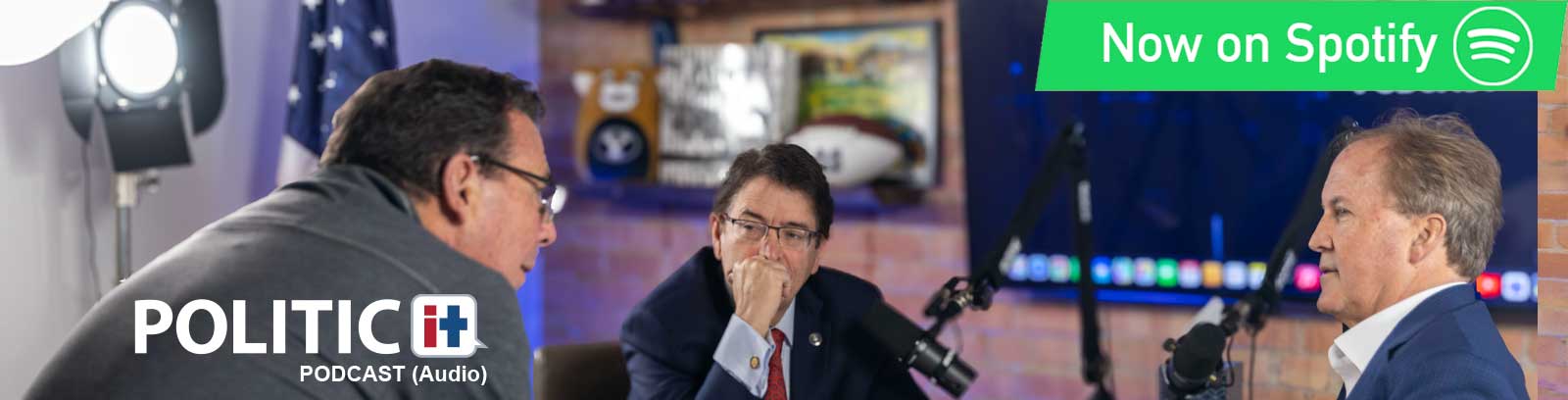
In this eye-opening episode of the PoliticIt Podcast, Utah Senator John D. Johnson cautiously explores a major due process controversy with businessman Doug Durbano and former Representative Kera Birkeland.
Durbano, who alleges that his federally insured bank was seized without notice, hearing, or fair process by the FDIC, explains why he believes his experience is an example of lawfare—where bureaucratic power is weaponized against citizens.
Senator Johnson, while apprehensive at first, gives Durbano a platform to make his case, leading to a revealing discussion about constitutional rights, bureaucratic overreach, and the fight for justice in America today.




Fighting for Due Process: Doug Durbano’s Long Battle Against Bureaucratic Overreach
On a thought-provoking episode of the PoliticIt Podcast, Utah Senator John D. Johnson cautiously stepped into a complicated and serious discussion: the question of whether a federal agency had overstepped its bounds by denying a citizen due process.
Johnson, though initially apprehensive, made clear he wanted to give Doug Durbano a fair opportunity to explain his case—a case Durbano himself framed as a troubling example of lawfare, the weaponization of legal and regulatory systems for political or bureaucratic advantage.


Joined by former Utah Representative Kera Birkeland, the conversation exposed allegations that reach far beyond a single incident, raising profound concerns about due process, government accountability, and the resilience of constitutional protections in modern America.
Key Topics:
- The principle of due process under the U.S. Constitution
- Allegations of FDIC misconduct and the claims of whistleblowers
- Procedural vs. substantive due process
- The broader risks of unchecked bureaucratic power
- Doug Durbano’s pending petition to the U.S. Supreme Court
- How citizens can help defend constitutional rights
PoliticIt Radio – Just one Day in Court
A Shocking Allegation: Lawfare in Action?
Early in the conversation, Durbano introduced the term “lawfare” to describe what he believes happened to him.
He cited a federal court decision where a U.S. District Judge described the FDIC as acting like a “secret society of extortionists” and compared their behavior to a “modern-day Cosa Nostra.”
Senator Johnson, while cautious, listened carefully as Durbano laid out the basics:
In 2009, without prior notice, without a hearing, and without any opportunity to respond, the FDIC seized his federally insured bank in Layton, Utah.

Armed agents arrived late on a Friday afternoon. Employees were escorted out. Assets—over $300 million—were taken.
According to Durbano, no regulatory hearing had occurred, no claims had been formally adjudicated. The seizure happened first. Any process, he said, came much later, if at all.
Durbano offered an analogy to make it relatable:
“Imagine being accused of reckless driving by someone who wasn’t even there to see it. Your car, wallet, and possessions are seized. You’re arrested and found guilty—not by a court—but by the police department itself. And you’re never allowed to prove your innocence.”
Birkeland emphasized the broader threat:
“It wasn’t even a police officer who made the accusation—it was an unelected bureaucrat making a phone call.”
From Innovation to Seizure: The Story of a Member-Owned Bank
The bank Durbano helped found had pioneered a new model: a member-owned bank, blending features of credit unions and traditional banks. It even secured a trademark as America’s first “member-owned bank,” offering a 35% competitive advantage.
By all outward appearances, it was thriving—raising capital successfully and attracting investment.
Yet suddenly, Durbano said, the FDIC reversed its position. Without warning, they seized the bank’s deposits, loans, and, critically, the shareholders’ capital—ownership stakes raised from investors who had no protections under depositor insurance.
Depositors eventually recovered their money, but shareholders lost everything.
Senator Johnson, in his typically thoughtful style, asked for clarification:
“So they basically seized the capital that belonged to individuals—and those rights were just eliminated?”
Durbano affirmed:
“Exactly. The capital was redistributed to other banks. No compensation. No chance to object. And no due process.”

Due Process: Denied
Central to the episode was the constitutional principle of due process—the guarantee that before a citizen can be deprived of life, liberty, or property, they must receive meaningful notice and an opportunity to be heard.
Durbano, Birkeland, and Johnson walked through the concept carefully:
- Procedural due process demands fair notice and a hearing before government action.
- Substantive due process demands that government actions themselves be reasonable, not arbitrary or politically motivated.
Durbano claims he received neither.
Kera Birkeland pointed out how shocking this was:
“Most citizens, if there’s a problem, get a letter, a chance to correct it, to argue, to defend themselves. Doug never even got that chance—not before the seizure, not after.”
A Long Legal Struggle and a Critical Court Ruling
Fighting back has not been easy. Durbano described the years of legal hurdles, complicated by governmental immunity doctrines that make suing federal agencies extraordinarily difficult.
However, his case reached an important milestone when it came before the Utah Supreme Court. Justice Thomas Lee recognized the constitutional weight of Durbano’s claims:
“Clearly the lack of an opportunity to be heard either pre- or post-seizure would have immense due process implications.”
With that ruling, Durbano was able to continue pursuing his claim. Now, a petition for writ of certiorari has been filed with the United States Supreme Court, seeking one thing: the right to a jury trial.
“All we’re asking for,” Durbano said, “is to have our case heard.”
Senator Johnson noted that it was a modest but profound request:
“You’re not even asking to win at this stage—you’re simply asking for your right to be heard before a jury of your peers.”
Whistleblowers Step Forward
In a major development, Durbano shared that two FDIC whistleblowers have come forward, providing written statements supporting his claim that the seizure was motivated by political factors, not purely regulatory concerns.
According to Durbano, these whistleblowers saw the internal process unfold and were disturbed enough to risk coming forward.
However, the FDIC has opposed efforts to depose them or present their testimony. Meanwhile, Durbano showed Senator Johnson heavily redacted documents provided under public records requests—evidence that, he argued, showed how difficult it was to get basic transparency.
“They filed a five-page document,” Durbano said, “but there were no dates, no signatures. And they filed it as proof that they acted properly.”
Birkeland added:
“It’s clear they didn’t want this to come to light. They even argued that they own Doug’s constitutional claim—that when they seized his bank, they seized his right to fight them too.”
The Larger Stakes: Every Citizen’s Liberty
The conversation ended with a sobering realization:
This is not just about banking. It’s about whether unelected bureaucrats can deprive citizens of property, reputation, and rights without meaningful review.
“If the FDIC can do this,” Johnson asked, “what’s to stop other agencies? Public safety departments? Land management offices?”
Birkeland was clear:
“Doug’s fight is our fight. Due process belongs to every American.”
The guests urged citizens to contact their representatives, especially encouraging Utah’s delegation—including Senator Mike Lee—to file amicus briefs supporting Durbano’s petition.
“We’re not asking for special treatment,” Durbano said as the episode closed. “Just the chance to stand before a jury and tell our story.”

Listen to the full PoliticIt Podcast episode to hear a gripping discussion on lawfare, due process, and why defending constitutional rights has never been more urgent.
#DueProcess, #ConstitutionalRights, #FDIC, #Lawfare, #GovernmentAccountability, #Freedom, #CivilLiberties, #PoliticItPodcast, #JohnDJohnson, #DougDurbano, #KeraBirkeland, #FightForFreedom, #AdministrativeState, #SupremeCourt, #PodcastInterview