Community Leaders
From City Council to City Builder: David Sawyer’s Vision for Ogden’s Revitalization
David Sawyer, Ogden City’s Deputy Director of Community and Economic Development, is leading a bold transformation—revitalizing downtown, tackling housing challenges, and preparing for the 2034 Winter Olympics. From the Wonderblock project to restoring Union Station, his vision blends historic preservation with smart growth and innovation. With roots in both public service and business, Sawyer brings strategic insight and community focus to every project, helping shape a vibrant, forward-looking Ogden.


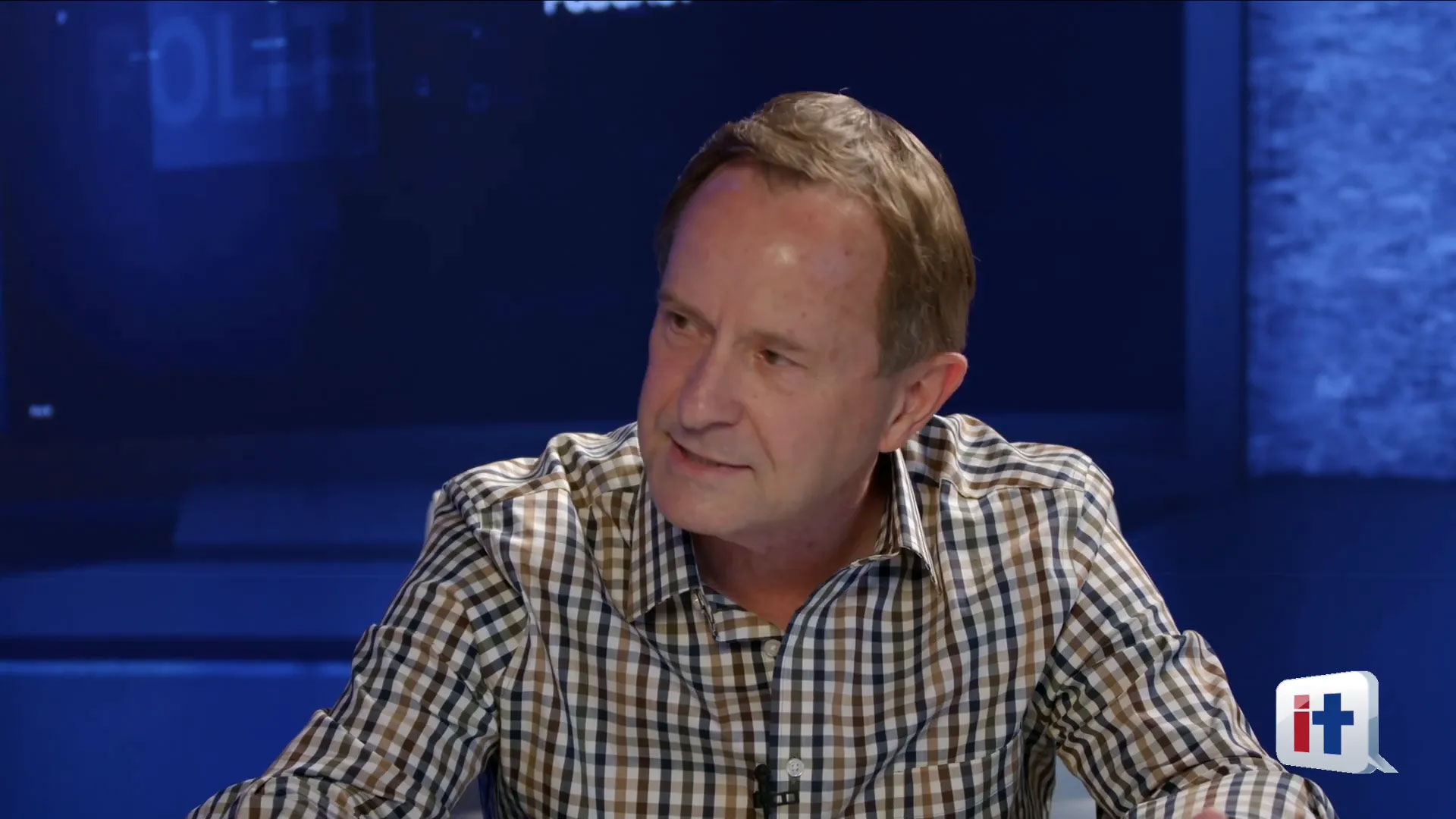

In the dynamic landscape of community and economic development, few leaders embody the blend of creativity, strategic insight, and collaborative spirit quite like David Sawyer. As the Deputy Executive Director of Community and Economic Development for Ogden City, David has leveraged his extensive experience in both the public and private sectors to drive transformative projects that not only stimulate economic growth but also enhance community vitality.
This article delves into David Sawyer’s journey, his visionary approach to economic development, and the exciting projects shaping Ogden City today. Drawing from a detailed conversation with David, it explores the challenges and opportunities he faces, the innovative strategies implemented under his leadership, and the promising future Ogden is building—one project at a time.


PoliticIt Radio: City in the Sky (Ogden Anthem)
From Colorado Springs to Community Leadership: The Journey of David Sawyer
David Sawyer’s story begins far from Ogden, in Colorado Springs, Colorado, where he grew up. His early career was rooted in sales and business development, a foundation that would later prove invaluable in his economic development work. His professional path took him to Minnesota, where, in his mid-20s, he made a pivotal decision to engage directly with his community by running for city council in Long Lake, a suburb of Minneapolis.
What started as a personal commitment to his neighborhood quickly turned into a successful political journey. Remarkably, David won his first city council election by a mere two votes, an anecdote that highlights the power of community engagement and the importance of every single vote. This initial success led to two four-year terms on the council, followed by a competitive and triumphant mayoral campaign, where he secured 76% of the vote in his mid-30s.
Balancing public service with a corporate career, David also held the role of Vice President of Marketing for a medical device company, a position that took him across the United States. This dual experience in corporate marketing and community service uniquely positioned him to merge strategic communications with economic development efforts.
His transition to Ogden City was a natural fit, influenced by family ties to Utah and his admiration for the area’s potential. Five years ago, David accepted the role of Deputy Executive Director of Community and Economic Development for Ogden City, marking a new chapter focused on fostering growth and revitalization in this vibrant city.

Bio: David Sawyer
David is a highly creative senior executive with a distinguished track record of leading business development and marketing communications across municipal government, economic development, nonprofit, and corporate sectors. Known for his strategic insight and collaborative leadership, David has consistently driven innovation and growth by forging strong partnerships, championing change, and guiding complex decision-making processes.
With a reputation as an influential speaker and trusted media spokesperson, David excels at articulating organizational vision and aligning diverse stakeholders around common goals. His career reflects a deep commitment to community advancement, effective governance, and sustainable development strategies that deliver measurable impact.
Lessons from Minnesota: Early Public Service Insights
David’s formative years in Minnesota taught him valuable lessons about grassroots leadership and the impact of local governance. The intimate scale of Long Lake allowed him to engage directly with residents, understanding their needs and aspirations firsthand. His commitment to door-to-door campaigning and community dialogue exemplified a hands-on approach to leadership that remains central to his philosophy.
“I really like this community I’m living in. I’m going to run for city council.” – David Sawyer
This mindset of proactive engagement and strategic vision has carried through to his work in Ogden, where community input and collaboration are key pillars in development projects.

Ogden City: A Hub of Economic Innovation and Community Revitalization
Ogden City stands as a testament to what forward-thinking economic development can achieve. Once facing uncertainty with the potential closure of its Defense Depot, the city has transformed this challenge into an opportunity for growth and revitalization. Today, the site—now known as Business Depot Ogden—is a thriving economic engine that supports a diverse array of tenants and industries.
David highlights the significance of this transformation, noting how the city’s ownership of the property and partnership with management companies have enabled a steady stream of lease revenues and business recruitment success. The beauty of Ogden’s natural environment, especially its mountain vistas, often captivates out-of-town business prospects, making recruitment efforts a smoother endeavor.
Beyond Business Depot, Ogden’s economic development encompasses a broad spectrum of initiatives aimed at enhancing the city’s livability, business climate, and cultural vitality. David’s role oversees six distinct divisions that together form a comprehensive community and economic development strategy:
Ogden City Airport: A strategic asset with untapped potential in aviation and related industries.
Building Services: Encompassing business licensing, permitting, planning, and zoning enforcement to ensure orderly development.
Community Development: Focused on housing initiatives, including rehabilitating neglected properties to expand affordable housing options.
Cultural Services: Managing arts, entertainment, and cultural programming primarily centered at Union Station.
Economic Development: Business recruitment and retention efforts, including maintaining high occupancy in Business Depot Ogden.
Planning: Steering the city’s general plan update, a critical roadmap for Ogden’s growth and land use over the coming decades.

Addressing Housing Challenges with Innovation
Housing remains one of the most pressing issues not only in Ogden but across Utah and the nation. Ogden’s established urban fabric means there is limited greenfield space for new developments. David points out that the city’s strategy revolves around infill development—making the best use of underutilized or vacant properties within the city limits.
This approach includes rehabilitating properties with complex challenges such as soil contamination, asbestos, and lead paint, which often deter private developers. By stepping in, Ogden City facilitates the transformation of these spaces into viable housing options, including affordable apartments and mixed-use developments.
Such efforts require collaboration with various stakeholders, including contractors, developers, and community members, to overcome barriers and realize the city’s vision for inclusive growth.
“Ogden City has an interest in getting better use out of all those properties. And that’s the reason we do these things because it’s an investment back into our community to make it a nicer place to live.” – David Sawyer
Transforming Downtown: The Make Ogden Master Plan and the Wonderblock Project
One of the cornerstones of Ogden’s revitalization is the Make Ogden master plan, a visionary 25-year strategy focusing heavily on downtown redevelopment. Initiated about five years ago, this plan seeks to blend the city’s cultural and historic assets with new development to create a vibrant, attractive urban core.

At the heart of this plan is the ambitious Wonderblock project, currently under construction between 25th and 26th Streets on the site of the old Wonder Bread facility. This mixed-use development exemplifies the city’s commitment to creating spaces that foster living, working, and playing in harmony.
Parking Structure: Scheduled for completion by the end of September, this facility will provide much-needed public parking, replacing surface lots and enabling denser development.
Residential Units: 354 apartments are planned on the upper floors, offering modern living spaces in the downtown core.
Retail and Grocery: A smaller downtown grocery store will anchor the main level, addressing a critical community need and garnering enthusiastic feedback.
Class A Office Space: Designed to attract businesses and professionals, supporting the city’s economic ecosystem.
Hotel Property: A boutique hotel will face historic 25th Street, enhancing the city’s hospitality offerings, especially important with the upcoming Olympic Games.
Pedestrian Connectivity: A pedestrian patio will traverse the block, improving walkability and linking key urban spaces.
David emphasizes the importance of replacing sprawling surface parking lots with vertical parking structures. This shift not only maximizes land use efficiency but also enhances pedestrian safety and urban aesthetics. The strategic relocation of the federal courthouse parking to the Wonderblock garage exemplifies this smart urban planning.
All commercial and residential components of the Wonderblock will be owned and operated by the development partner, while the city retains ownership of the parking structures. This arrangement ensures ongoing tax revenue for Ogden and aligns the interests of public and private stakeholders.
Community Engagement and Transparency
Recognizing the public’s keen interest in downtown developments, the city organizes regular updates and meetings. For instance, a community update session held at Union Station provided residents with detailed information about the Wonderblock’s phases, availability of residential units, and commercial leasing opportunities.
Such transparency fosters trust and invites community participation, which David sees as essential to the success of revitalization projects.
Union Station: Preserving History While Building the Future
Union Station is more than just a historic building in Ogden—it is a cultural and civic landmark that embodies the city’s heritage and aspirations. Celebrating its centennial recently, Union Station has become a focal point for arts, culture, and community activities.

David describes extensive plans to renovate Union Station, restoring its historic grandeur while adapting it for modern use. A key element of this vision is re-integrating the Front Runner train service directly into the station, replacing the current parking lot stop with a more welcoming and functional transit hub.
Transit Integration: Passengers will be able to wait for trains inside the station’s grand hall, enhancing comfort and convenience.
Multimodal Connectivity: Plans include relocating the bus station to create a transit loop around the north end of Union Station, facilitating seamless transfers between trains and buses.
Structured Parking: New parking facilities will support transit users, encouraging public transportation use.
Pedestrian Access Improvements: Enhanced walkways will connect Union Station with downtown and other city areas.
Looking forward, Ogden is exploring cutting-edge transportation concepts such as advanced air mobility and vertaports—takeoff and landing sites for electric vertical takeoff and landing (eVTOL) aircraft. A vertaport atop a parking structure at Union Station could someday enable quick aerial connections to Snow Basin and other Olympic venues, dramatically enhancing visitor access and positioning Ogden as a forward-thinking city embracing future technologies.
David notes that Ogden City is among a select few nationwide considered for such advanced air mobility stations, alongside the Ogden City Airport. This initiative aligns with the city’s role as a major focal point for the upcoming Winter Olympics, promising to provide fans and residents innovative transit options.
Expanding Cultural and Retail Opportunities at Union Station
The Union Station neighborhood, or campus, extends beyond the historic station building to include adjacent vacant properties and parking lots. Plans for this area envision a mixed-use development featuring:
A new train exhibit and museum with controlled environmental conditions to better preserve and showcase historic assets.
Renovation of the Laundry Building, including a rooftop deck for community events and gatherings.
Additional retail spaces to recapture market leakage in food, beverage, and shopping sectors.
New housing options on the north end, complementing downtown’s residential growth.
Office and professional commercial spaces on the south end, supporting business expansion and job creation.
One significant obstacle to fully integrating Union Station with downtown is Wall Avenue, a busy thoroughfare that currently acts as a barrier. The city recently completed a Wall Avenue study and is collaborating with the Utah Department of Transportation (UDOT) to make the avenue more pedestrian-friendly. Proposed enhancements include:
Medians with vegetation to beautify the street and provide pedestrian refuge.
More crosswalks and bump-outs to slow traffic and improve safety.
Buffer zones and reduced speed limits to create a calmer, more inviting environment.
Event signage and streetscape improvements extending several blocks to reinforce a cohesive downtown identity.
These upgrades aim to transform Wall Avenue from a barrier into a welcoming gateway, fostering connectivity and encouraging foot traffic between Union Station and other downtown attractions.
Preserving Ogden’s Architectural Heritage: The Forest Service Building Project
Ogden City is also deeply committed to preserving its unique architectural heritage. Among its prized historic structures is the Art Deco-style Forest Service building, a symbol of the city’s identity and history. Recognizing the challenges of maintaining such aging assets, the city recently purchased the building to prevent deterioration and ensure its restoration.
The Forest Service building requires seismic upgrades and careful rehabilitation to maintain its structural integrity and aesthetic value. The city is partnering with developers to create a mixed-use facility that will include residential units and retail or commercial spaces on the lower floors.
This project underscores the delicate balance between honoring historic preservation and adapting to modern needs. David acknowledges the tension between expanding housing and protecting commercial tax bases, emphasizing that commercial properties are essential to sustaining the city’s fiscal health and keeping property taxes manageable for residents.
“Most of the tax base is coming from commercial properties. As we build apartment buildings and everything on these commercial properties, we’re really kind of handicapping the city long term.” – David Sawyer
Ogden’s approach is to carefully manage growth to support both housing needs and economic vitality, ensuring a sustainable future for all.
Why Ogden City Invests in Redevelopment
One question David often encounters is why the city actively engages in redevelopment, including buying and renovating properties that private developers might avoid. The answer lies in Ogden’s age and the complex nature of many of its properties.
Many vacant or underutilized parcels come with environmental challenges, such as soil contamination, asbestos, or lead paint, which raise costs and deter private investment. Additionally, older buildings may require extensive repairs or seismic retrofitting.
Rather than allowing these properties to remain blighted or vacant, Ogden City leverages its Community Redevelopment Authority to invest in revitalization efforts. This proactive stance helps catalyze broader economic development, improve neighborhood conditions, and increase housing availability.
By working with development partners and focusing on areas needing extra attention, the city fosters an environment where investment becomes viable and beneficial for the community at large.
Building a Better Ogden Together
David’s vision for Ogden City is one of optimism, collaboration, and thoughtful growth. He believes that every project, from large-scale mixed-use developments to historic preservation efforts, contributes to making Ogden a better place to live, work, and visit.
Through strategic planning, community engagement, and innovative partnerships, Ogden is poised to continue its trajectory as a dynamic and resilient city. The upcoming Winter Olympics present a unique opportunity to showcase these efforts on a global stage, further cementing Ogden’s reputation as a forward-thinking and vibrant community.
As David aptly summarizes, the work of economic and community development is ultimately about investing in people and places, nurturing the pride and joy that come from contributing meaningfully to one’s community.
“It’s an investment back into our community to make it a nicer place to live.” – David Sawyer
Conclusion
David Sawyer’s multifaceted career and leadership in Ogden City illustrate the powerful impact that strategic economic development and community engagement can have on a city’s future. From his early days in Minnesota’s local government to his current role overseeing diverse divisions in Ogden, David brings a wealth of experience, creativity, and passion to his work.
Ogden City’s revitalization efforts, including the transformation of Business Depot Ogden, the Make Ogden master plan, the Wonderblock project, and the ambitious Union Station redevelopment, demonstrate a city embracing change while honoring its history. These projects not only stimulate economic growth but also enhance quality of life for residents and visitors.
Preserving architectural gems like the Forest Service building and addressing housing challenges through innovative infill development reflect Ogden’s commitment to sustainable, balanced growth. With forward-looking initiatives like advanced air mobility and pedestrian-friendly urban design, Ogden is positioning itself as a leader among mid-sized cities nationwide.
Ultimately, Ogden’s success lies in its ability to foster strong partnerships between public entities, private developers, and the community. This collaborative spirit, championed by leaders like David Sawyer, ensures that Ogden remains a vibrant, welcoming place for generations to come.

#OgdenCity #UrbanDevelopment #DavidSawyer #Wonderblock #UnionStation #EconomicDevelopment #CityPlanning #SmartGrowth #WinterOlympics #Revitalization