Podcast
Medical Freedom on Trial: Dr. Kirk Moore’s Story on the PoliticIt Podcast
Dr. Michael Kirk Moore, a Utah plastic surgeon, faced federal charges for allegedly distributing falsified COVID-19 vaccine cards. After a five-day trial, he braced for jury deliberation—only to learn the Department of Justice had abruptly dismissed the case at Attorney General Pam Bondi’s direction. In a Politic-It Podcast interview with Senator John D. Johnson and Jaime Renda, Moore recounts the ordeal, his motives, medical reasoning, and the grassroots movement that rallied to his defense.

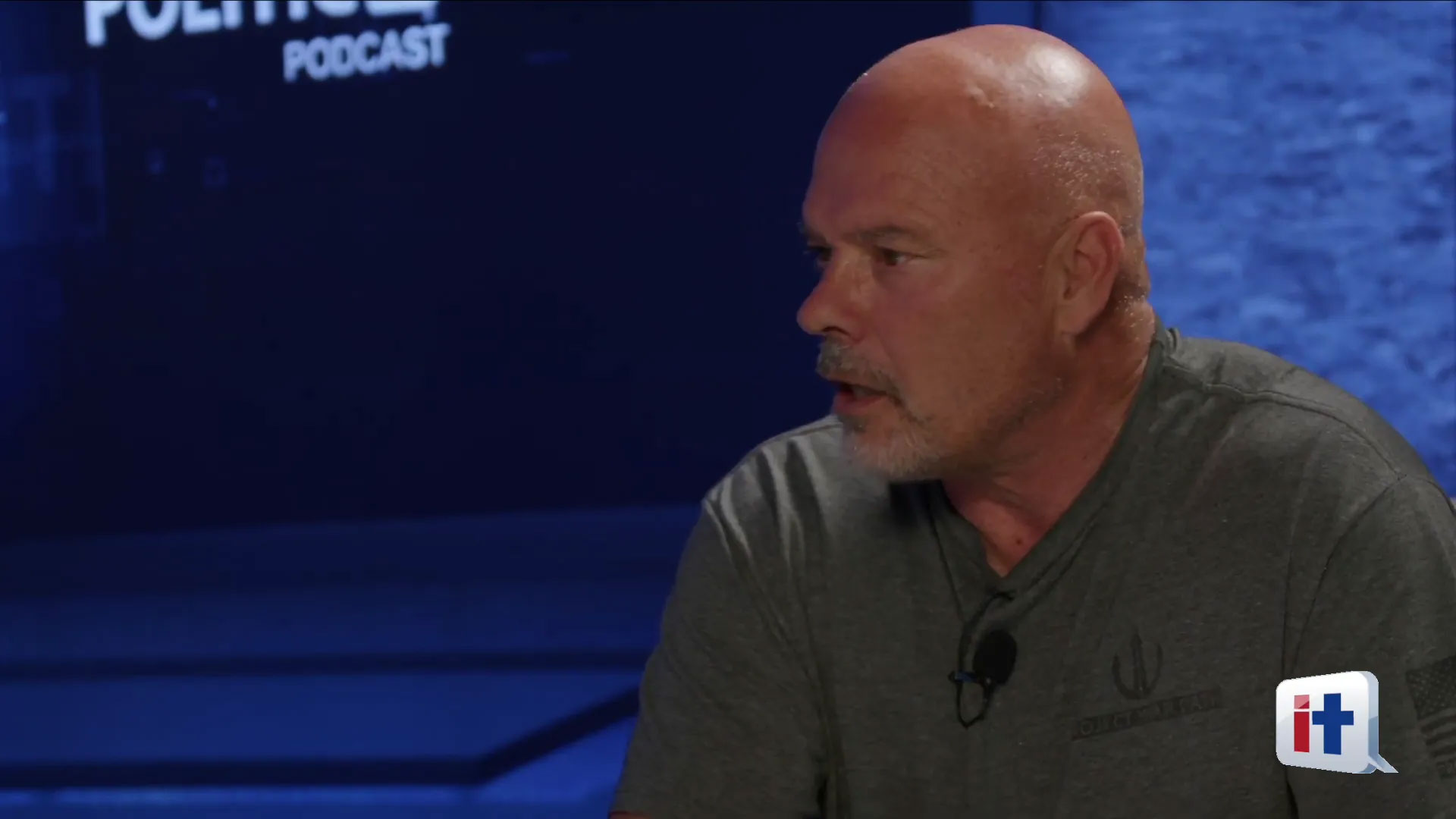
Dr. Kirk Moore Was Charged in a Fake Vax Card Case — Charges Were Later Dropped
This article summarizes and expands on a comprehensive interview produced by PoliticIt that follows the five-day federal trial of Dr. Michael Kirk Moore — a board‑certified plastic surgeon who was indicted on charges related to alleged distribution of falsified COVID‑19 vaccination record cards. The interview captures Dr. Moore’s account of the trial, his motivations, the medical and constitutional reasoning he advanced, the community mobilization that sprang up around him, and the eventual dismissal of the charges ordered by U.S. Attorney General Pam Bondi.
The original video is produced by PoliticIt. The material below uses direct quotes from the interview, and also provides additional context, organization, and explanation to help readers understand the timeline, legal issues, medical claims, and public response surrounding the case.
PoliticIt Radio – It Ends Today (Dr Kirt Moore)
Dr. Kirk Moore is a plastic surgeon with nearly two decades of experience helping patients feel confident and comfortable in their own skin. He trained at the University of Miami School of Medicine, graduating with Alpha Omega Alpha honors, and completed his plastic surgery residency at the University of Colorado Health Sciences Center. His rigorous education and dedication to his craft have shaped his reputation for precision, safety, and natural-looking results. He became board-certified in 2002.
U.S. Attorney General Pam Bondi on Saturday ordered the Department of Justice to dismiss all charges against Michael Kirk Moore Jr., his business — the Plastic Surgery Institute of Utah — and his neighbor, Kristin Jackson Andersen, who was also allegedly involved.
“Dr. Moore gave his patients a choice when the federal government refused to do so. He did not deserve the years in prison he was facing. It ends today,” Bondi said in a post on the social platform X.
Moore, his business, and his neighbor were accused of conducting a scheme in which they distributed false COVID-19 vaccination record cards to individuals who did not want the vaccine. Critics of the vaccine have rallied around Moore, arguing that he shouldn’t face any jail time.
THIS INTERVIEW WAS CONDUCTED THE NEXT DAY

Short timeline: charges, trial, and dismissal
At the core of the story is a federal indictment that accused Dr. Moore, his clinic (the Plastic Surgery Institute of Utah), and a neighbor of distributing falsified COVID‑19 vaccination record cards. The indictment alleged fraud and destruction of government property in connection with vaccine record card distribution. The criminal matter proceeded to a five‑day trial: two days of jury selection, followed by three days of prosecutorial witness presentation.
During the trial, Dr. Moore and his defense team believed the prosecution had struggled to meet its burdens — particularly on the elements of fraud and loss calculation (the threshold that would elevate an alleged theft to a felony). On the Friday morning after several days of testimony, Dr. Moore was at home when his attorney called with unexpected news: the Department of Justice, at the direction of U.S. Attorney General Pam Bondi, would dismiss the charges. That announcement marked an abrupt end to the prosecution.
The attorney general’s public message read, in part, “Dr. Moore gave his patients a choice when the federal government refused to do so. He did not deserve the years in prison he was facing. It ends today.”
What happened during the trial — a closer look
Dr. Moore described the trial as emotionally and intellectually draining — “five days” that involved jury selection and testimony. He and his legal team felt they had successfully undermined key prosecutor narratives and evidence during the government’s witness phase.
Yet, like many criminal defendants, Dr. Moore recognized the uncertainty when a case is put to the jury:
“When you send it to a jury, you’re just kind of like, ‘Okay, now what?’”
Even after a vigorous defense and a perception that the prosecution’s case was weak, Dr. Moore awaited the ordinary course of jury deliberation and the risk that jurors might see facts differently than the defense. That unpredictability was one of the reasons he described sleeping poorly and waking to think through every detail of the trial.
Prosecution focus and contested elements
The prosecution presented witnesses and evidence to establish alleged fraudulent activity and destruction of government property. Key points Dr. Moore’s team contested included:
- Whether the government had actually provided the product (a traditional “vaccine”) as required by contractual or statutory obligations;
- Whether the facts met the legal definition of fraud under federal law;
- Whether any government loss crossed the $1,000 threshold necessary to elevate the alleged offense to a federal felony.
Dr. Moore and his attorneys believed these elements were not established by the prosecution. In their view, the government could not satisfy the threshold showing that was necessary for conviction on the most serious counts.

The dismissal and the moment it happened
At about 8:30 a.m. on the morning Dr. Moore received the call, his attorney, Kathy, informed him the prosecutors had called and that the attorney general would dismiss the case in approximately one hour. The emotional response was immediate and intense: Dr. Moore described collapsing to the floor alongside his mother, a moment of relief and overwhelm after months of legal battles, public scrutiny, and the prospect of years in federal prison.
“I literally collapsed on the floor and just started pawing… it was just a surreal feeling.”
He also relayed that the prosecutors had indicated they were not happy with the decision, implying that the dismissal was not the outcome the local U.S. Attorney’s Office had sought. Instead, it was a decision made at the Department of Justice level, after which the attorney general publicly announced the dismissal and framed it as a correction of a case that should not have subjected Dr. Moore to severe federal punishment.
Why Dr. Moore says he did what he did: motive, not malice
At the heart of Dr. Moore’s defense — and what motivated many in his community to support him — is his repeated assertion that he acted out of conscience and patient advocacy, not greed or malice. The interview emphasizes several consistent claims about his motivations:
- He provided options to patients because they asked for them and because he believed in patient autonomy;
- He did not profit from the activity; in fact, he sustained economic losses and covered staff time out of pocket;
- His clinic offered services because he believed people were being harmed and because governmental policies left many without options.
Dr. Moore put it plainly: “Because it’s the right thing to do.”
He described his willingness to testify at legislative hearings and to engage with elected officials to change the legal framework in his state. For example, he discussed work on bills to limit public health authorities’ unilateral authority (like the mask‑mandate bill that required health orders to be temporary unless the legislature authorized extensions). He also supported legislation protecting employees from workplace vaccine mandates.

Patient requests and how services were administered
Dr. Moore emphasized that patients requested the services his clinic provided — whether that included early outpatient treatment protocols for COVID‑19, documentation, or alternative approaches — and that the clinic did not secretly inject or deceive people about what they were receiving:
“I never gave anybody a card or a saline shot or anything that they didn’t come in asking for and I never kept [their records].”
He also addressed situations involving minors: in some cases, parents requested documentation for school or work while opting for an alternative to the federally promoted vaccine. Dr. Moore said he tried to protect vulnerable people — particularly children — from being bullied or penalized for their medical or parental choices.
Medical rationale and practice: early treatment, evolving protocols
One central thread of Dr. Moore’s testimony is his medical reaction to the COVID‑19 pandemic in real time. He described a swift personal evolution during the early pandemic months: after temporarily closing his practice in March 2020 to protect his children and family, he found himself researching and studying potential treatment strategies. He concluded — based on reports, early physician protocols, and case observations — that early outpatient treatment could save lives and reduce severe disease.

Early treatment advocacy
Rather than waiting for hospitalization and late‑stage interventions, Dr. Moore argued that medicine’s standard of care is early detection and early treatment. He compared the passive approach advised by some public‑health messaging early in the pandemic (“stay home unless you’re dying”) to a dangerous departure from standard medical practice.
“There is nothing in medicine that we don’t try to get to early. Nothing.”
He explained that early outpatient remedies he and others used included hydroxychloroquine early in 2020, and later ivermectin and combinations of vitamins and other agents. He cited colleagues who reported success treating hundreds of patients with early outpatient regimens, sometimes reporting very low mortality among those treated promptly.
Hydroxychloroquine, ivermectin, vitamins — the contested therapeutics
Dr. Moore discussed the sequence of therapeutics used in early outpatient protocols and how access to some medicines changed over time:
- Hydroxychloroquine (HCQ): Initially prescribed by some physicians for early COVID‑19; Dr. Moore said he and many others quickly used available supplies and later found HCQ supplies restricted.
- Ivermectin: Became used by physicians later in 2020 as HCQ became harder to obtain; Dr. Moore reported he used ivermectin in practice when it became accessible.
- Supportive agents: Vitamin C, vitamin D, zinc, and other supportive supplements were part of many early outpatient regimens.
Dr. Moore framed the restriction of HCQ and other agents as an early red flag: treatments that appeared to show benefit were no longer available through medical distributors. He described this as evidence that public policy had steered clinical care away from early outpatient interventions.

On vaccines and definitions
Another major element of Dr. Moore’s medical and legal defense centers on the definition and nature of the products commonly referred to as “COVID vaccines.” Dr. Moore argued that the mRNA products do not meet the traditional colloquial definition of a vaccine — a product that prevents disease and blocks transmission — and therefore are better characterized, in his view, as gene therapies.
He cited several points to explain this position:
- The public expectation of a vaccine historically has been a product that confers immunity and prevents transmission — a point of distinction Dr. Moore claims the mRNA products did not fulfill.
- He noted a definitional shift in September 2021 in the way the term “vaccine” or “vaccination” was described by certain health agencies — a shift Dr. Moore described as broadening the term to mean an injected product that elicits some immune response, rather than one that confers immunity or prevents infection and transmission.
- He referenced manufacturer patents where the word “vaccine” is not expressly used, asserting that the patents label the products as gene‑based technologies rather than classic vaccines.
These arguments were central to his legal contestation of a “vaccine‑provider agreement” or fraud charges premised on the existence of a “vaccine” delivered in a particular way.

Community response, media, and political pressure
Dr. Moore’s case drew a substantial grassroots response. Supporters organized rallies, traveled to the courthouse, and mobilized through social media and organizations. Several elements of the community response played a role in drawing attention and building political pressure that ultimately intersected with the Department of Justice’s decision to dismiss the charges:
- Rallies and courthouse presence: Local supporters filled the courtroom and overflow rooms, and groups organized to be present throughout the trial week.
- Documentary and journalism: The film Died Suddenly and investigative pieces that highlighted excess deaths and unusual mortuary findings amplified public scrutiny and created narratives that resonated with Dr. Moore’s supporters.
- Political intervention: High‑profile lawmakers and public figures — including members of Congress and state senators — raised questions and communicated with DOJ officials about the case. Dr. Moore mentioned outreach by representatives and an intervention letter involving former Florida Attorney General Pam Bondi, which, according to Dr. Moore, contributed to DOJ review.
Died Suddenly and the mortician evidence
Supporters highlighted documentary reporting (Died Suddenly) that featured morticians describing unusual clotting and embalming findings, including long, white string‑like clots discovered during embalming procedures. These accounts, which received widespread attention among certain communities, were presented by backers as evidence of unexpected harms temporally associated with vaccination campaigns.
Dr. Moore explained these narratives were salient to his base and the broader public discussion about vaccine safety, post‑vaccination adverse events, and the transparency of official surveillance systems.
Political figures and the chain of events
Dr. Moore credited a constellation of people with helping bring higher‑level DOJ attention to the case: grass‑roots organizers, documentary producers, think‑tank or advocacy figures who amplified the story, and elected officials who reached out to DOJ leadership. In his telling, a combination of persistent community pressure and targeted political outreach contributed to Attorney General Pam Bondi reviewing and ultimately ordering the dismissal.
“My favorite three words that I think I’ll remember the rest of my life is it ends today.”
Legal and social implications of the dismissal
The dismissal of the case carries multiple implications that deserve careful attention:
- Legal discretion: The Department of Justice has broad authority to dismiss cases. A high‑level dismissal signals a determination that proceeding would not serve the interests of justice, or that intervention was warranted after higher‑level review.
- Federal prosecutorial priorities: The case raised questions about the allocation of federal prosecutorial resources to relatively small alleged financial losses (the charge discussed in the interview was approximately $28,800) compared to the costs invested in preparing and staffing the prosecution.
- Trust and public health messaging: The controversy underlined deep distrust among parts of the public toward public health institutions and official narratives about pandemic interventions, which has implications for future public health campaigns.
- Medical practice and conscience rights: The episode highlighted tensions between state/federal public health authority and individual physicians exercising clinical judgment and responding to patient requests.
During the interview, Dr. Moore and the hosts discussed how much the government had invested in preparing the case — both in time and personnel presence in the courtroom — juxtaposed against the alleged $28,800 loss. Dr. Moore used that contrast to question prosecutorial priorities and to assert that the decision to prosecute had more to do with institutional power than a rational application of criminal law to serious financial harms.
Claims of “weaponization” and DOJ oversight
Dr. Moore referenced reporting that the attorney general had overruled a DOJ working group that initially recommended against intervention. The implication presented in the interview was that higher‑level political decisions led to the dismissal, which supporters framed as a corrective measure to avoid what they called the “weaponization” of federal prosecutorial power against physicians and private citizens.
That characterization — “weaponization” — is contested in legal and policy debates. Critics of broad interventions argue that federal resources can be misapplied in ways that chill dissent or punish nonconforming medical practice. Supporters of federal prosecution argue that when people commit clear fraud or destroy government property, accountability is necessary regardless of political context. The dismissal, however, demonstrates the degree of discretion DOJ exercises in deciding whether to proceed with federal charges.

Personal and business consequences for Dr. Moore
Even though the case was dismissed, the costs to Dr. Moore were steep and ongoing. He described substantial personal and financial tolls:
- He estimated a 60–70% decline in business volume during the period of controversy and prosecution;
- He reported significant out‑of‑pocket legal expenses;
- He noted overdue personal finances, including missed mortgage and car payments after spending heavily on legal defense.
These consequences underscore a painful reality that even dismissed cases can cause long‑lasting harm to reputation, livelihood, and mental health.
Lessons, calls to action, and philosophical framing
Dr. Moore used the interview to articulate broader lessons and calls to action for citizens, medical professionals, and elected representatives. Several recurring themes emerged:
1) Patient autonomy and medical freedom
Dr. Moore argued that patients should have agency and choice in their medical care, and that employers should not be allowed to make a medical procedure a condition of employment without appropriate legislative and ethical review. He and other speakers have supported laws prohibiting employer vaccine mandates as a matter of principle.
2) The importance of early treatment in infectious disease
A major medical argument raised throughout the conversation is that early therapeutic intervention matters. Dr. Moore framed early outpatient treatment as standard medical practice and criticized public health messaging that discouraged early patient‑initiated treatment.
3) Push back against fear and conformity
Dr. Moore repeatedly urged people not to be governed by fear and to stand up for their convictions. He cited historical and psychological patterns that can cause people to comply with successive escalations of control, and he urged medical professionals to resist a passive acceptance of policies that violate ethical or constitutional principles.
“Do not comply. Unless you have a strong conviction to something do not just — don’t comply to it and learn about it.”
4) Mutual support and solidarity
The case brought forward examples of citizens and elected officials collaborating across grassroots and institutional lines to intervene in an individual prosecution. Dr. Moore emphasized the role of community solidarity — whether through rallies, letters to government officials, or public storytelling — in shaping outcomes.
5) Preparedness for future contests
Dr. Moore warned that the dynamics that allowed mask mandates, social distancing orders, and vaccine mandates to spread were not one‑off events. He advised vigilance and early organization to prevent similar overreach in the future, urging proactive legislative and civic planning rather than reactive legal defense on an individual basis.

Practical recommendations offered in the interview
Dr. Moore and the hosts offered practical steps individuals and communities could take to prepare for and respond to similar situations in the future:
- Document and communicate: Keep accurate medical records, document patient requests, and communicate transparently with patients about options.
- Get involved legislatively: Engage with state and local legislators to clarify law around public health orders, employer mandates, and medical privacy.
- Support peers under pressure: When physicians or providers face legal scrutiny, community support (both legal and public) can be decisive.
- Understand surveillance and reporting systems: Learn how governmental adverse event reporting systems work, and advocate for transparency and appropriate study of possible harms.
- Practice careful public messaging: When organizing, present clear, fact‑based arguments to avoid misinterpretation and to build cross‑partisan allies.
Contested claims and the responsibility to evaluate evidence
The interview raises numerous contested factual and interpretive claims: efficacy and characterization of mRNA products, the relationship between adverse events and vaccination, policy decisions about early treatments, and the proper scope of public health authority. Readers should note that the interview reflects Dr. Moore’s perspective and the perspectives of his supporters.
Key claims deserving careful evaluation by readers and by scholars include:
- Descriptions of mortality and injury counts following vaccination and the limitations of VAERS and other spontaneous reporting systems;
- Interpretations of manufacturer patents and the language used to describe mRNA products;
- Efficacy and safety evidence for early outpatient therapeutics like hydroxychloroquine and ivermectin, and how regulatory policy shaped access to those treatments;
- The legal thresholds for fraud, destruction of government property, and federal prosecutorial discretion.
Engaging critically with peer‑reviewed studies, publicly available regulatory documents, and legal statutes is essential for forming an informed view. The interview can be a prompt for such study, but it is not a substitute for careful review of evidence and law.
Voices and stories behind the statistics
Beyond legal arguments and statistics, the interview centers human stories: patients seeking to retain autonomy; a doctor responding to those patients; staff who contributed time without pay; family members who experienced fear and stress; and advocates who placed themselves in harm’s way to support a physician they believed was acting ethically.
Examples mentioned in the interview included:
- A clinic office manager who worked significant unpaid hours to support patient care during the controversy;
- Supporters who flew in for court to show solidarity;
- Families who reportedly felt their loved ones were harmed by public policies or medical interventions and therefore sought alternatives;
- Civic advocates who traveled to Washington, D.C., to meet with officials on Dr. Moore’s behalf.
These portraits of individual sacrifice and solidarity are what sustained the campaign that ultimately led to the DOJ review and dismissal.
Criticisms and counterarguments
There are important counterarguments and criticisms circulating in public discourse that the reader should consider:
- Public‑health rationale: Authorities argued that coordinated vaccination programs and public health measures were necessary to control a globally spreading infectious disease. Those authorities have defended mandates in certain contexts (e.g., high‑risk workplaces or settings with vulnerable populations) as necessary to protect life and maintain critical services.
- Scientific consensus debates: The mainstream scientific consensus on vaccine safety and efficacy evolved with evidence from randomized trials and observational studies. Regulators and many clinicians relied on that emerging evidence to guide policy; dissenting voices raise questions about interpretation of data, reporting systems, and risk assessments.
- Legal accountability: Prosecutors argued that falsifying government documents and misrepresenting public health records can have legal consequences and that enforcement serves a public interest in deterring fraud.
Engaging with the full spectrum of evidence, from randomized controlled trials and regulatory reports to frontline clinicians’ case series and observational research, is important for understanding the complexity and nuance of these debates.
What the dismissal does — and does not — accomplish
The Department of Justice’s dismissal ended the criminal prosecution that Dr. Moore faced. While the dismissal spared him the risk of federal conviction and imprisonment, several points remain:
- Reputational and financial harms endured by Dr. Moore were not automatically reparable by the dismissal;
- The dismissal does not, in itself, resolve broader policy debates about public health powers, vaccine mandates, or the balance between individual liberties and collective risk;
- The dismissal does, however, set a precedent and a symbolic lesson about how political and community pressure can prompt higher‑level review of prosecutorial decisions.
Dr. Moore described the dismissal as both an ending and a beginning — an opportunity to “pay it forward” by redoubling civic engagement to prevent similar prosecutions and to protect medical autonomy going forward.
Final reflections from the interview
Dr. Moore’s narrative blends professional medical practice, constitutional and ethical argument, and the lived experience of prosecution. The themes of the interview — patient choice, medical independence, community solidarity, and resistance to fear‑driven compliance — are consistent throughout.
He closes with a set of normative imperatives: stand up for rights, push back against overreach, support peers when they are targeted, and remember that government power should be constrained by law and by civic vigilance. His message underscores an appeal to community action: mobilize legislatively, support clinicians, and demand transparency and proportionality when the government brings its significant enforcement power to bear.
“It’s a victory for us, but it’s a victory for humanity… we got to pay it forward, and then just continue to put pressure on our… government authorities, our representatives to do the right thing.”
Suggested resources for readers who want to learn more
The interview highlights many intersecting domains — criminal law, public health policy, vaccine science, and grassroots organizing. For readers who want to examine these topics more deeply, consider consulting:
- Primary legal sources: federal statutes on fraud and destruction of government property, and Department of Justice policy memos on prosecutorial discretion;
- Regulatory materials: vaccine authorizations, manufacturer fact sheets, and patent filings (to understand how products are characterized and described by manufacturers);
- Peer‑reviewed clinical trials and systematic reviews on COVID‑19 vaccines and early outpatient treatment options;
- Independent investigative reporting and documentary productions that examine post‑vaccination adverse event narratives and mortuary observations;
- Legislative summaries and state bills related to public health order limits and workplace medical mandates.
Closing summary
The PoliticIt interview with Dr. Michael Kirk Moore tells the story of a physician who claimed he acted out of patient advocacy, was prosecuted by federal authorities for alleged falsification of vaccination records, and then had those charges dismissed following significant community mobilization and intervention by the U.S. Department of Justice leadership.
The case surfaces multiple contested issues: the proper role of physicians in times of public health crisis; definitions and characterizations of medical products; the balance between public health authority and individual rights; the use of federal prosecutorial power; and the social consequences that legal action imposes on professionals and communities. The dismissal resolves the immediate criminal conflict but leaves open the broader policy questions the case exposed.
For readers committed to understanding the issues in depth: review the underlying evidence, follow the primary documents cited, and seek out peer‑reviewed studies alongside honest reporting and legal materials. Civic engagement — through legislative advocacy, informed discussion, and support for due process — will determine how these tensions are navigated in future public health challenges.
Where to go from here
Dr. Moore’s parting call in the interview was twofold: first, to celebrate the dismissal as a meaningful victory; and second, to recognize victory as a responsibility. The interview encourages physicians, patients, and concerned citizens to:
- Document carefully and advocate clearly for patient choice;
- Engage with lawmakers to codify limits on executive public health authority and protect medical conscience rights;
- Support colleagues who face legal scrutiny and engage in community organizing to defend due process;
- Continue to study and discuss medical evidence openly, even when the conversation is difficult or politically charged;
- Remember that vigilance — civic, legal, and medical — is essential to preserving freedoms and upholding public trust.
Whether one agrees with Dr. Moore’s clinical decisions or his political perspective, the interview— and the legal episode it chronicles — raises urgent questions about how societies govern crisis responses and how professionals and institutions interact under pressure. It also offers a window into how community activism and political advocacy can affect the course of legal proceedings in high‑profile cases.
The interview and its surrounding events are a case study in the intersection of medicine, law, and civic action. Readers are encouraged to use this narrative as a starting point for their own thoughtful inquiry into the issues raised — seeking evidence, weighing competing claims, and engaging constructively in civic life.
#politicit #utahelections #utpol