
Community Leaders
Utah’s Housing Crisis: Solutions, Strategy, and Future of Homeownership | Steve Waldrip Interview
Utah faces a housing affordability crisis—soaring prices, limited land, and shrinking household sizes have pushed homeownership out of reach for many. In this powerful interview, Steve Waldrip shares innovative, market-driven solutions and bold legislative strategies to restore the American Dream. Discover how Utah is rethinking housing from the ground up to secure a future for its families.

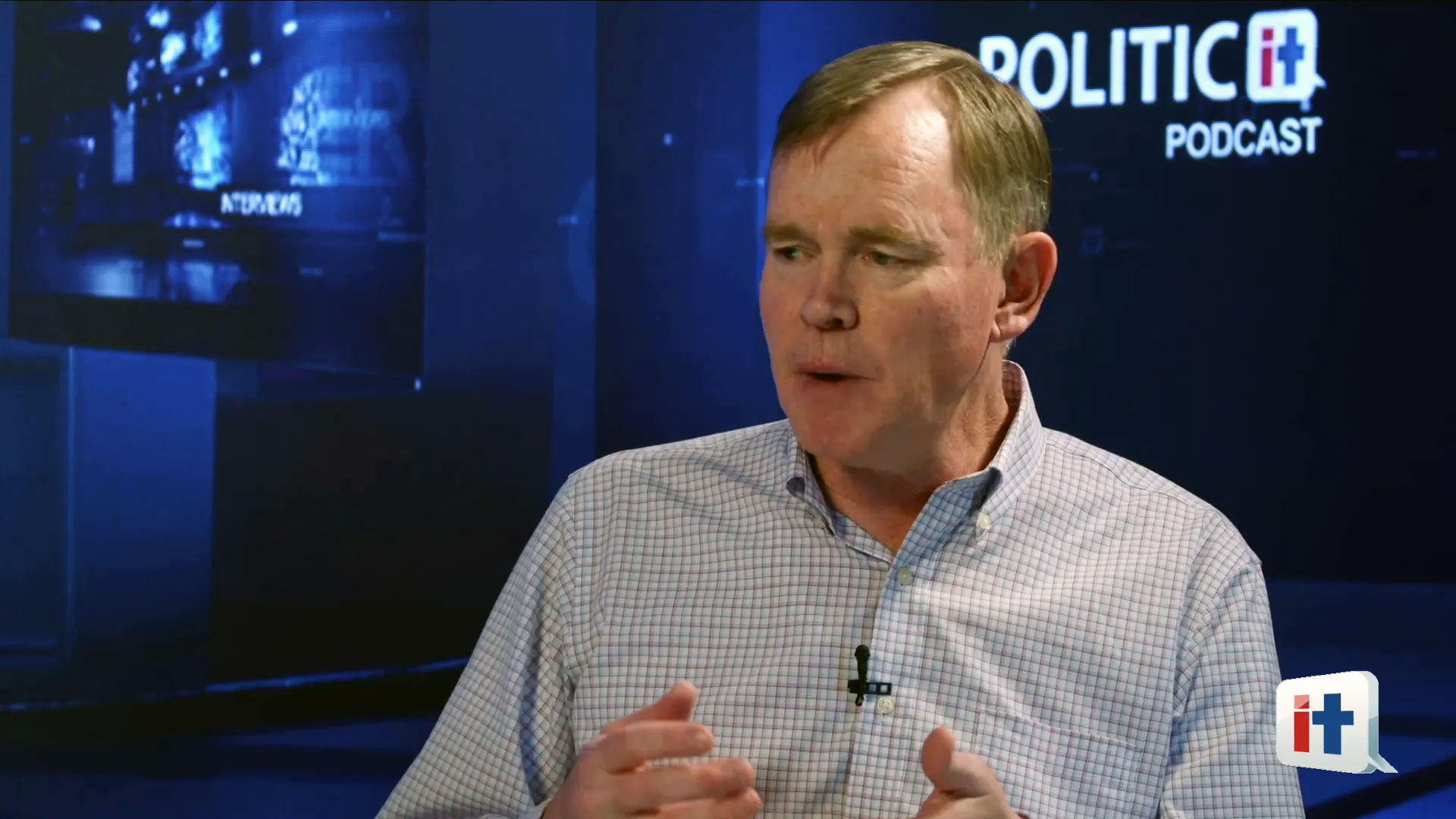
Housing affordability has become one of the most pressing issues in Utah and across the United States. As prices skyrocket and supply dwindles, many families find themselves struggling to achieve the dream of homeownership. In this comprehensive article, we dive deep into the insights shared by Steve Waldrip, the Governor’s Senior Adviser for Housing Strategy and Innovation, who brings a wealth of experience from his time in the legislature and his innovative work tackling housing challenges.
Waldrip’s conversation sheds light on the complex factors driving Utah’s housing affordability crisis, the innovative solutions being pursued, and the broader implications of these trends on society and future generations. Whether you’re a prospective homeowner, policy maker, or simply interested in the future of Utah’s communities, this article provides an in-depth understanding of the challenges and the hopeful paths forward.

Historic Housing Affordability: A Shifting Landscape
For decades, the rule of thumb in the United States was that the median home price was roughly three times the median income. This ratio helped maintain a balance where homeownership was within reach for many middle-class families. For example, if the median income was $20,000, the median home price hovered around $60,000. This ratio remained fairly consistent until about 2018.
However, recent years have shattered this balance. The median home price has now nearly doubled relative to incomes, reaching almost six times the median wage. To put this in perspective, if someone makes $20,000, the median home price would be approximately $120,000 today. This drastic shift has essentially cut affordability in half, creating a significant barrier for many potential homebuyers.
Waldrip emphasizes that this affordability crunch is largely driven by supply and demand dynamics. Simply put, there aren’t enough homes available to meet the growing population’s needs, pushing prices upward. Utah, in particular, has experienced rapid population growth, which has intensified these pressures.
PoliticIt Radio – No Place to Call Home
Utah’s Housing Market in National Context
When comparing housing affordability across states, Utah ranks alarmingly high in terms of the median home price relative to median income. According to Waldrip, Utah is in third place nationally, right behind California and Hawaii, two states well-known for their expensive housing markets. Hawaii tops the list as the most expensive state by this measure, followed by California, with Utah close behind.
Utah’s median home price currently stands at about 6.3 times the median income, a figure that reflects both the state’s rapid in-migration and its limited land availability for new development. This creates a unique squeeze, where demand far outpaces supply, exacerbating affordability issues.

The Core Challenge: Limited Land and Supply Constraints
At the heart of Utah’s housing affordability crisis is a simple but powerful constraint: land. Waldrip points out that 85 to 90 percent of Utah’s population lives on just 1 percent of the state’s land. The geography plays a large role in this, with mountains on one side and large bodies of water like Utah Lake on the other. This natural “chute” severely limits where development can occur.
This scarcity drives up land prices dramatically. When land costs rise, so do home prices, since the cost of the lot is a major component of overall housing costs. For example, if a lot costs $20,000, it’s possible to build a home at a certain price point, but if the lot price jumps to $80,000, the cost of the home must increase accordingly.
Building near the mountains further escalates costs due to the increased complexity and expenses associated with construction in challenging terrain. These factors combine to make it difficult to produce affordable homes within the current land constraints.

Changing Household Sizes and Their Impact
Another important factor influencing housing demand is the changing size of households. Historically, Utah households averaged around five people, but today that number has shrunk to just over three and is projected to decline further. For example, Salt Lake City currently averages about 2.3 people per household, mirroring national trends toward smaller family units.
This demographic shift means that even if the population remains stable, the number of housing units needed increases because smaller households require more separate homes. If one family of five splits into two families of two and three, that effectively doubles the housing demand for the same number of people.
Combined with population growth from migration and natural increase (births), this shrinking household size compounds the housing supply shortfall. More homes are needed to accommodate the same or growing number of residents, yet production has not kept pace.
Traditional Approaches and the Need for Innovation
Historically, government intervention in housing focused primarily on very low-income housing, which requires subsidies because such projects do not pencil out financially for developers. Programs like federal and state tax credits have supported affordable housing for low-income families, but these resources are limited and insufficient for the broader market’s needs.
Waldrip stresses the challenge of addressing housing affordability for those above the low-income threshold, where subsidies are scarce and market forces dominate. The state cannot subsidize the entire housing market, nor can it sustain the subsidies currently in place for existing affordable housing stock.
Therefore, innovative, market-based solutions are essential. The goal is to leverage private investment and create incentives that encourage developers, builders, and cities to collaborate in producing more housing supply without relying heavily on government subsidies.

I
nnovative Programs to Boost Starter Home Production
One of the most exciting initiatives Waldrip highlights is the $300 million fund created by the Utah legislature in 2024. This fund, sourced from the state’s reserve transportation infrastructure funds, provides below-market interest loans to lenders working with developers to build starter homes.
Starter homes are defined as owner-occupied homes priced below $450,000, with developers required to build at least 60% of their projects within this price range to qualify for the program. To facilitate this, cities must grant increased density allowances, encouraging more compact and affordable housing developments.
This approach represents a collaborative “everybody in the middle” effort, balancing the needs of developers, cities, and prospective homeowners to increase supply in a sustainable way.
Condos Program and Land Availability Strategies
Building on the 2024 fund, the 2025 legislative session empowered Utah Housing Corporation (UHC) to act as a depository for the fund and introduced a condo-specific program. This program aims to stimulate the production of affordable condominiums, a segment largely absent from the market for the past two decades.
Key to this program is the use of surplus Business Depot Ogden (BDO) parcels, which are strategically located near transportation corridors, transit, and freeways—areas well-suited for higher-density development where the community is more open to growth.
These parcels are made available to developers at “dirt price,” or below market value, substantially lowering development costs. Developers bid on these parcels with a fixed sales price requirement for the units, ensuring prices remain below market levels for buyers.
To maintain affordability, any cost savings during construction flow directly to homebuyers rather than developers, and mechanisms are in place to prevent speculative flipping of these homes for profit, preserving affordability for future buyers.

Addressing “NIMBYism” and Community Resistance
One of the largest barriers to increasing housing supply is community opposition, often described as “NIMBYism” — Not In My Backyard. This phenomenon involves residents resisting new housing developments near them, fearing changes to their neighborhood’s character, increased traffic, or other perceived negative impacts.
Waldrip explains that property owners traditionally understand their rights as a “bundle of sticks,” which includes rights such as occupying their property and being left alone. However, over the past 20 to 30 years, many residents have come to feel entitled to control beyond their property lines, such as dictating neighborhood density, traffic levels, and who can live nearby.
This expansive view of property rights fuels opposition to new housing projects, creating false choices between “doing nothing” and “ruining everything.” This polarization makes it difficult to find balanced solutions that benefit the entire community.
The Social Impact of Housing Affordability and Ownership
Waldrip passionately discusses the broader societal importance of homeownership. In Utah, approximately 70% of residents own their homes, compared to 65% nationally. This high rate of ownership has historically contributed to community stability and wealth generation post-World War II.
However, with housing costs rising and households shrinking, fewer young people and working families can afford to buy homes. This threatens to reverse decades of wealth-building and community engagement associated with homeownership.
For example, the median net worth of renters in the U.S. in 2022 was just $10,400, while homeowners had a median net worth of $396,200. This staggering gap highlights the critical role housing plays in economic security and opportunity.
Without affordable starter homes, many young families are forced to leave Utah in search of housing elsewhere, contributing to a “brain drain” and weakening the social fabric of the state

Personal Journey and Commitment to Housing Solutions
Steve Waldrip’s involvement in housing policy is deeply rooted in his professional and personal experiences. A lawyer by training with degrees from Brigham Young University and the University of Utah, Waldrip transitioned from practicing tax law to real estate development, including a significant role in the Business Depot Ogden project.
He served two terms in the Utah House of Representatives and co-founded the Rocky Mountain Homes Fund, a social impact real estate initiative aimed at helping teachers, firefighters, and police officers achieve homeownership. This fund addresses the very challenge of affordability for essential workers who have been priced out of the market.
Balancing State and Local Roles in Housing Policy
A current tension in Utah’s housing strategy lies in the balance between state mandates and local control. The state seeks to create tools and policies that encourage housing production and affordability, but cities often resist, wanting to preserve local autonomy over zoning and development decisions.
This battle over “who decides” is crucial because local opposition can stall or block developments that the state deems necessary. Finding a way to align state goals with local interests remains a key challenge for policymakers.

Looking Ahead: The Governor’s Vision and Goals
At the core of the Governor’s housing strategy, as articulated by Waldrip, is a commitment to ensuring that Utah’s children and grandchildren have the opportunity to own homes and build wealth. The focus is on increasing supply across the entire spectrum—low, middle, and high-end housing—with a particular emphasis on starter homes for young couples and first-time buyers.
Waldrip highlights the importance of stable housing as an anchor for communities, enabling social engagement, education, business opportunities, and overall economic independence. Without addressing the affordability crisis, Utah risks becoming a very different society, one where a majority of residents are renters unable to build the equity that homeownership provides.
Ultimately, the goal is to preserve and enhance the unique qualities that make Utah an amazing place to live, while ensuring growth and development are managed thoughtfully and inclusively.

Conclusion: A Call for Understanding and Action
Housing affordability in Utah is a multifaceted challenge requiring innovative solutions, collaboration, and a willingness to overcome entrenched opposition. Steve Waldrip’s insights reveal that there is no single silver bullet, but a combination of market-based strategies, legislative support, and community engagement can create meaningful change.
By focusing on starter homes, leveraging public funds efficiently, and addressing the social dynamics of property rights and community fears, Utah can create a more affordable and equitable housing market. This will allow current and future generations to remain in the state, contribute to its growth, and build the wealth and stability that come with homeownership.
Understanding these complexities is the first step toward informed discussion and effective policy-making. As Utah continues to evolve, the hope is that more people will recognize the importance of balanced growth and support initiatives that make homeownership accessible to all.
For those interested in learning more about Utah’s housing policies and innovations, keeping an eye on ongoing legislative sessions and programs like those led by Utah Housing Corporation will be essential.
#politicit #utahelections #utpol #UtahHousing #SteveWaldrip #AffordableHousing #UtahPolitics #Homeownership #UrbanPolicy #Utpol #StarterHomes #CivicInnovation #RockyMountainHomesFund #PoliticItPodcast #politicit #utahelections #utpol