Utah News Dispatch
With friends like Utah’s Disability Law Center, who needs enemies?

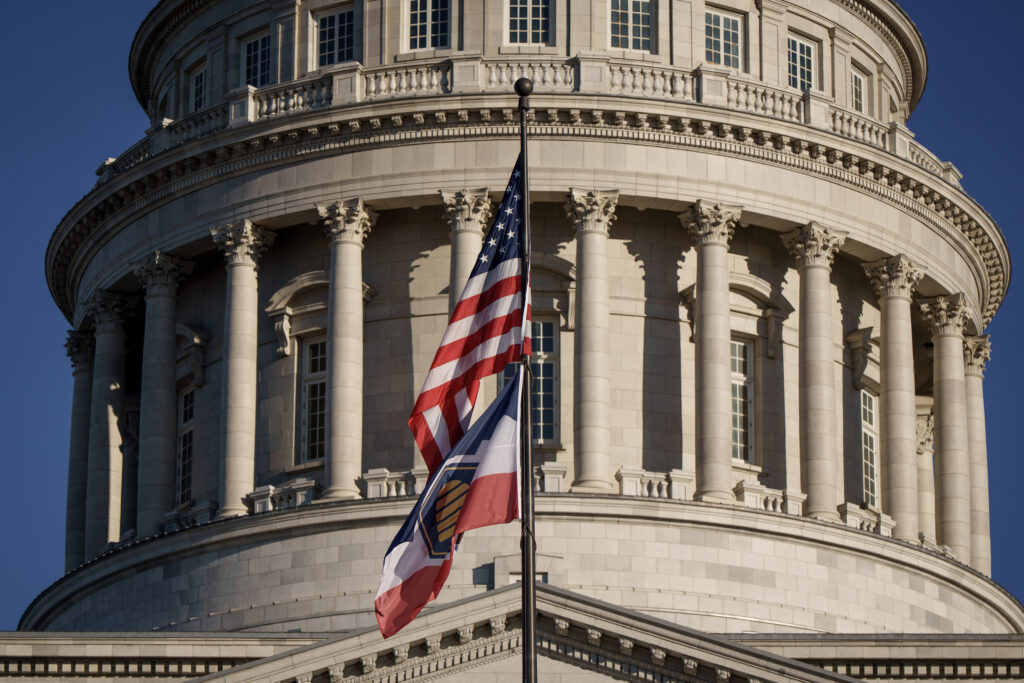

The Capitol in Salt Lake City is pictured on the first day of the legislative session, Tuesday, Jan. 20, 2026. (Photo by Spenser Heaps for Utah News Dispatch)
A little-known federal program focused on mental illness is under new scrutiny by the state legislature. For decades, the federal Protection and Advocacy program has funded Utah’s Disability Law Center to ensure that people suffering from debilitating mental illnesses are offered dignified and humane care. These organizations have federal authority to investigate abuse, neglect, and civil rights violations in clinical psychiatric settings.
But DLC and other Protection and Advocacy organizations have long since strayed from the program’s original intentions and have become focused more on preventing mentally ill people from getting treatment at all than on ensuring they are not neglected or abused when receiving treatment. To many Protection and Advocacy organizations, clinically-recommended treatment is too often mischaracterized as a form of abuse.
Sen. Todd Weiler, R-Woods Cross, introduced a resolution and a bill that would better position state leaders to evaluate how well DLC’s work aligns with the evolving state and federal landscape on mental illness policy. These proposals hold tremendous potential to improve the way Utah cares for one of its most vulnerable populations.
Policymakers and advocates alike have raised concerns nationwide that there are too many barriers to treatment for the most mentally ill individuals, many of whom end up in jail, prison, or homeless because of their untreated mental illness. At the same time, there are far fewer concerns about the conditions of clinical psychiatric settings, in large part due to state-level oversight through departments of health and human services and hospital accreditors.
These safeguards have greatly reduced allegations of abuse and neglect and significantly improved the level of care and treatment of the seriously mentally ill nationwide.
But these improvements have also led to Protection and Advocacy programs like DLC to focus more effort on “representing” some of the most severely impaired of those afflicted with mental illness to assist them in stopping life-preserving medications. Protection and Advocacy organizations file nearly twice as many cases related to an individual’s clinical treatment as cases related to neglect or abuse combined.
Many of these “clients” suffer from debilitating cognitive effects from their illness and cannot responsibly manage their own clinical treatment. As a result, Protection and Advocacy organizations represent their client’s harmful delusions rather than what has been determined to be the most appropriate clinical course of action and seek court orders to cease psychiatric medications.
When organizations like DLC sue hospitals and clinicians to prevent the treatment of individuals suffering from the most severe forms of psychosis, they enable the de facto criminalization of mental illness and jeopardize the lives of their clients.
Mentally ill people on medication, even involuntarily, are not dangerous; but those who are not receiving treatment are significantly more likely to commit and be victims of crime. They are also more likely to experience homelessness — in Utah alone, the growth in the unsheltered mentally ill population has outpaced the national trend by a factor of 9. Untreated mental illness is also associated with a more than 30 times higher risk of suicide, especially in the period after release from a hospital when an individual is most likely to regress. Too often, lawsuits or the threat of litigation from Protection and Advocacy organizations are responsible for an individual leaving a hospital prematurely or without proper aftercare.
Disability Law Center, along with many other similar organizations, defend their work as within the federal framework for Protection and Advocacy. But a U.S. Government Accountability Office report warned that the oversight body for these programs, the Substance Abuse and Mental Health Services Administration, has failed to complete periodic reviews to ensure that these programs comply with federal priorities.
Federal oversight of Protection and Advocacy programs is woefully inadequate. State leaders must step up to fill this gap and ensure that this program, whether administered by DLC or a new organization, demonstrably improves the condition of their clients. The legislature’s efforts this session are important steps towards a better system of care for the mentally ill in Utah and has the potential to catalyze state and federal reforms nationwide.